Project Title: Strengthening Capacity for Sustainable Disaster Management Network by involving multi-sectoral platform Project Period: 17 January, 2023 – 16 January, 2024 (12 month)
- Project Activities and Accomplishments
Bangladesh is widely recognized as one of the country’s most vulnerable to the impacts of climate change due to its geographical location, high population density, and socio-economic characteristics. Situated in the delta of three major rivers—the Ganges, Brahmaputra, and Meghna—the country is highly exposed to a wide range of climate-induced hazards such as cyclones, floods, storm surges, riverbank erosion, droughts, and salinity intrusion. These hazards are increasing in frequency and intensity as a result of climate change, posing significant threats to lives, livelihoods, infrastructure, and ecosystems. Recurrent disasters disrupt livelihoods, damage infrastructure, degrade natural resources, and trap vulnerable populations in cycles of poverty and risk. Disaster management efforts in Bangladesh are often implemented through sector-specific interventions, which may lead to fragmented planning, limited coordination, and duplication of efforts among stakeholders. Government agencies, local authorities, NGOs, community organizations, research institutions, and development partners all play important roles in disaster risk reduction and climate adaptation. However, the lack of strong coordination mechanisms and knowledge-sharing platforms can limit the effectiveness and sustainability of interventions.
In this context, a network approach offers a promising pathway to enhance resilience by strengthening collaboration, coordination, and knowledge exchange among multiple stakeholders. A network approach emphasizes partnerships among government institutions, civil society organizations, academic institutions, community groups, and private sector actors to collectively address complex and interconnected challenges posed by climate change and disasters. In Bangladesh, where climate risks intersect with development challenges, strengthening multi-stakeholder networks can play a critical role in transforming vulnerability into resilience. Through improved coordination, shared learning, and collaborative action, a network-based approach can enhance the effectiveness of disaster preparedness, response, recovery, and long-term climate adaptation strategies.
In each division, there is one health worker responsible for conducting home visits to raise awareness within the local community regarding fundamental disaster management issues. These health workers also disseminate crucial information concerning government directives or any disaster-related announcements to the community. As of April 2026, A-PAD Bangladesh has successfully benefited a total of 3,902 individuals.
1. Operation of Emergency Disaster Management Coordination Center/ Sub Centers (Outcome 1)
The Emergency Disaster Management Coordination Centers in the eight divisions will become regional focal points and be strengthened in their functions. New Upazila-level sub-centers will be piloted to provide decentralized support and coordination in disaster preparedness, response, and recovery. . | ||
Activities | Outcome Indicators to Measure Results: | Project Status: Achievements vs Outcome: If the activity is behind the schedule, please write the reason. |
1-1 Operation of Emergency Disaster Management Coordination Center and Establishment of Sub Centers Beneficiaries: 15 people×25 days × 8 divisions × 12 months = 36,000 people | 1-1 :Establish sub-centers at the district level and develop basic facilities in all eight emergency disaster management coordination centers in Bangladesh. 36,000 local residents (per year) will visit the facilities, raising awareness of health and public hygiene and strengthening disaster preparedness through coordination among partners. In the event of an actual emergency disaster, rescue and medical support will be provided. (Verification method: Number of users, records of usage) 1-2 :80% of the 4,320 participants respond that they are able to access early warning systems and take action in the event of an actual disaster, through the community meetings in at least 10 unions in each district. (Verification method: Pre- and post-activity questionnaire survey results) 1-3 : 80% of the 4,320 participants respond that they are able to take action appropriately for disaster prevention in | Total 2,452 people visited to the Disaster Management Coordination Center to discuss about disaster preparedness and health related issues. Dhaka: 312 Persons Cox’s Bazar: 308 Persons Pabna: 298 Persons Bagerhat: 301 Persons Patuakhali: 300 Persons Habiganj: 318 Persons Rangpur: 309 Persons Netrokona: 306 Persons Total = 2,452 Persons |
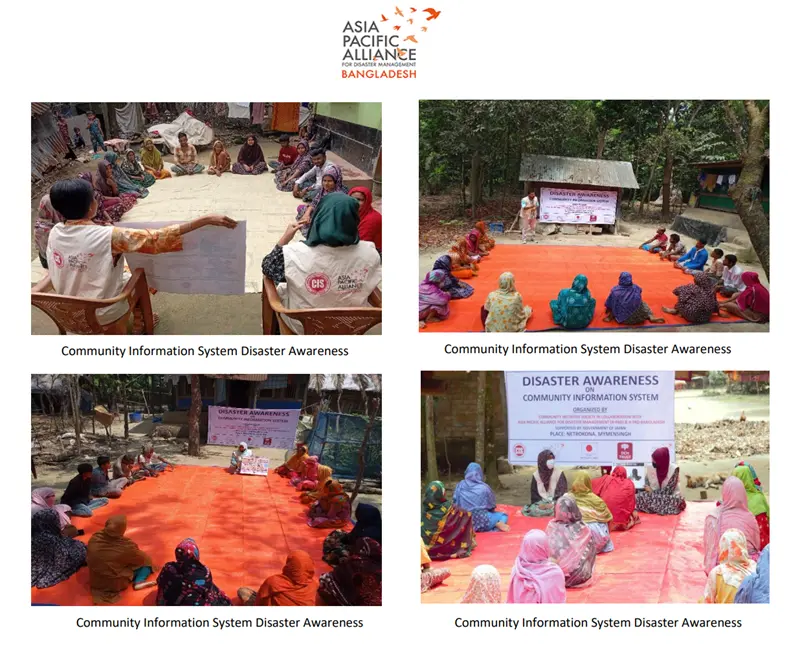
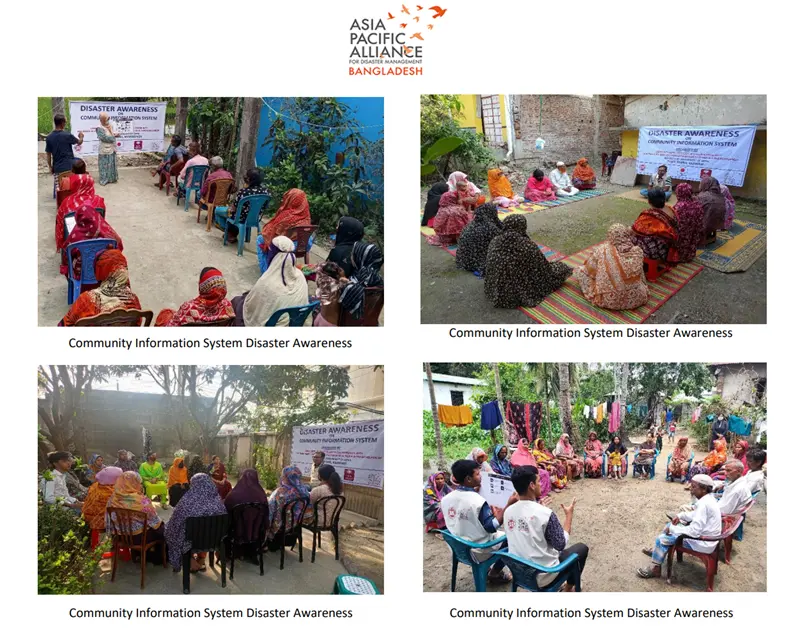
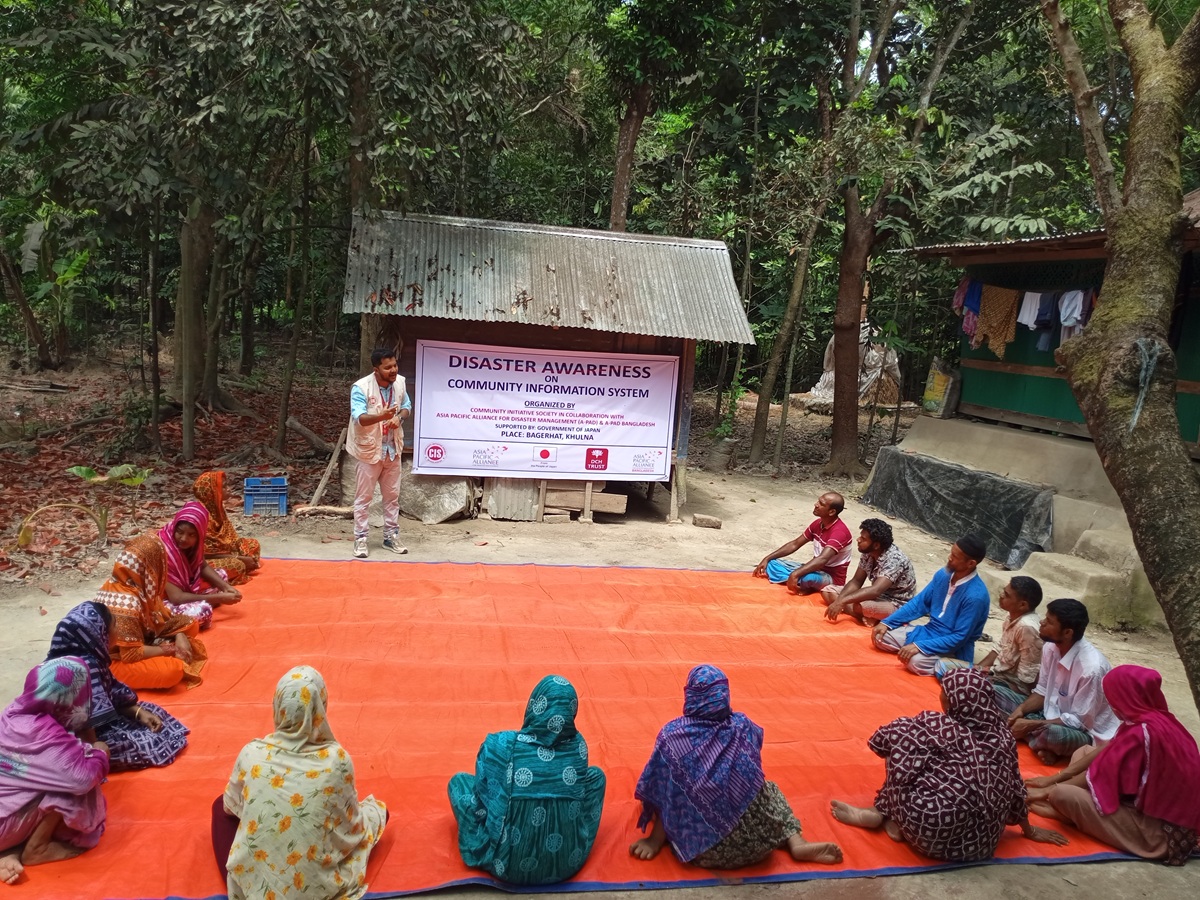
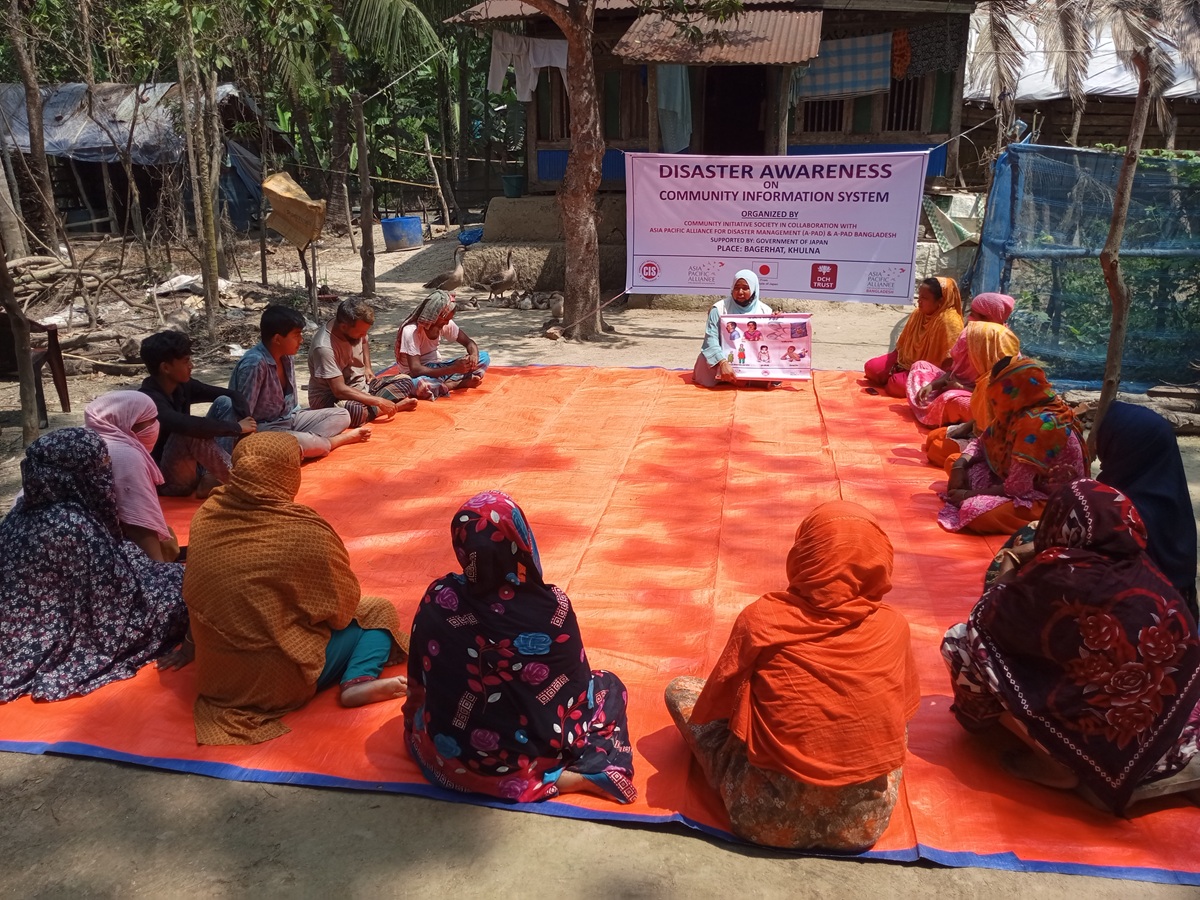
1-2 Community Information System Disaster Awareness Beneficiaries: 15 people × 8 divisions × 3 times ×12 months =4,320 people | A-PAD Bangladesh conducted Community Information System Disaster Awareness program in 8 divisional areas where 360 participants joined. Dhaka:15 Participantsx 3 Sessons= 45 Participants Cox’s Bazar: 15 Participantsx 3 Sessons= 45 Participants Pabna: 15 Participantsx 3 Sessons= 45 Participants Bagerhat: 15 Participantsx 3 Sessons= 45 Participants Patuakhali: 15 Participantsx 3 Sessons= 45 Participants Habiganj: 15 Participantsx 3 Sessons= 45 Participants | |
| the event of an actual disaster, understanding disaster risks and vulnerabilities in their residential environments | Rangpur: 15 Participantsx 3 Sessons= 45 Participants Netrokona: 15 Participants x 3 Sessons= 45 Participants |
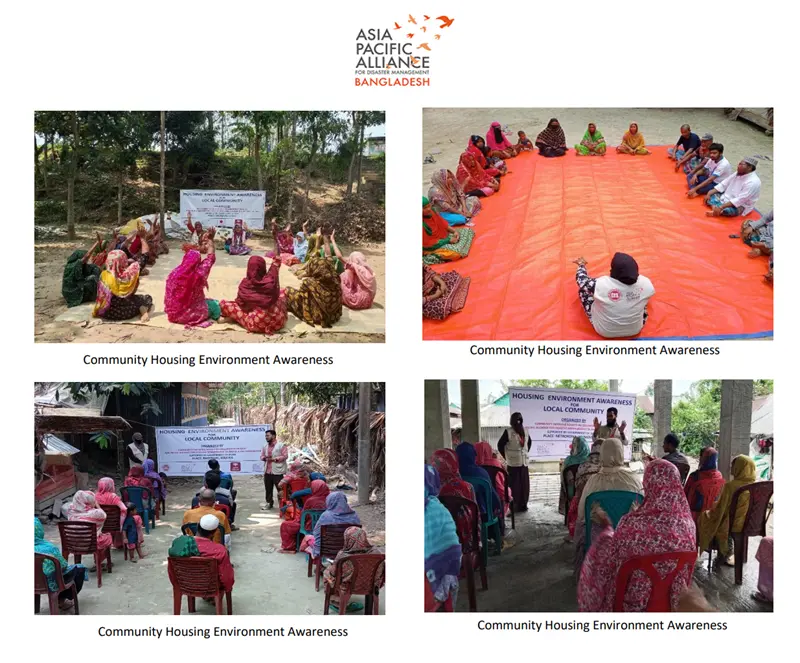
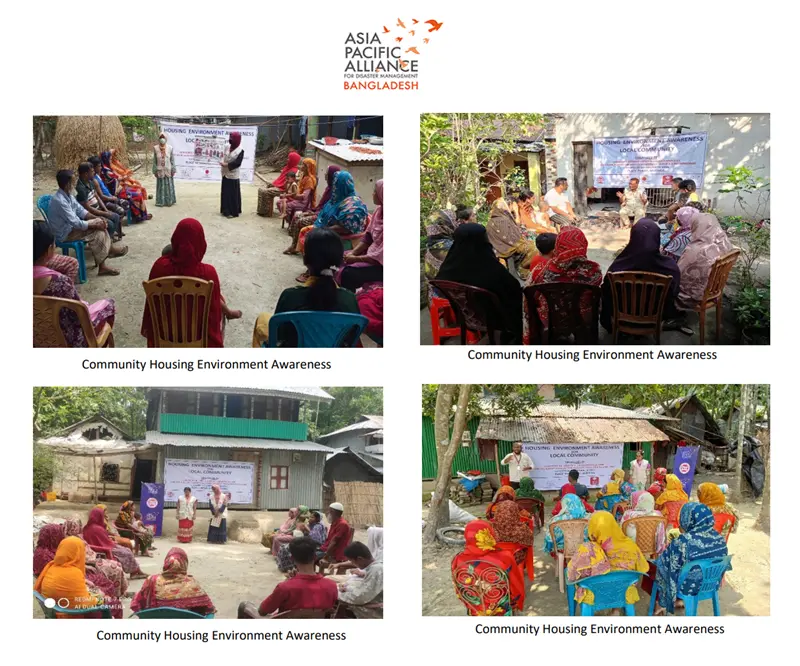
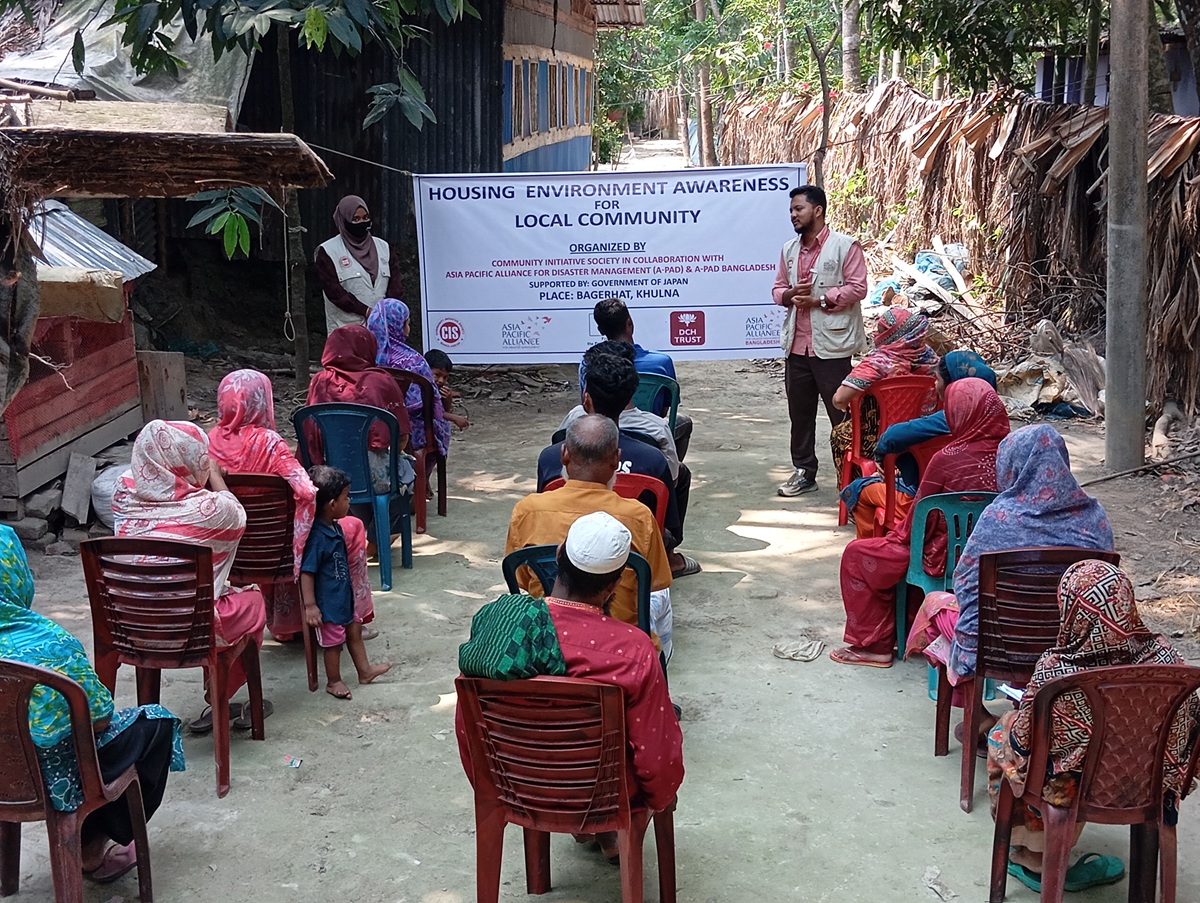
1-3 Community Housing Environment Awareness Beneficiaries: 15 people × 8 divisions × 3 times ×12 months =4,320 people | and respond, through mapping conducted during community meetings. (Verification method: P Pre- and post-activity questionnaire survey results) (Outcome 2)Through strengthening multi-sector networks centered on the community, disaster management plans reflecting local risks and needs will be developed, realizing a dramatic improvement in DRR capabilities and disaster resilience. 【Indicators of Outcome】 | A-PAD Bangladesh conducted Community Housing Environment Awareness program in 8 divisional areas where 360 participants joined. Dhaka:15 Participantsx 3 Sessons= 45 Participants Cox’s Bazar: 15 Participantsx 3 Sessons= 45 Participants Pabna: 15 Participantsx 3 Sessons= 45 Participants Bagerhat: 15 Participantsx 3 Sessons= 45 Participants Patuakhali: 15 Participantsx 3 Sessons= 45 Participants Habiganj: 15 Participantsx 3 Sessons= 45 Participants Rangpur: 15 Participantsx 3 Sessons= 45 Participants Netrokona: 15 Participants x 3 Sessons= 45 Participants |
2. Networking Through Community Disaster Management Systems And Action Plans (Outcome 2) A-PAD BGD, NPF for disaster reduction and disaster response through collaboration between multi-sectors, will be established and expanded, and the disaster prevention and disaster capacity of its member organizations will be strengthened. | ||
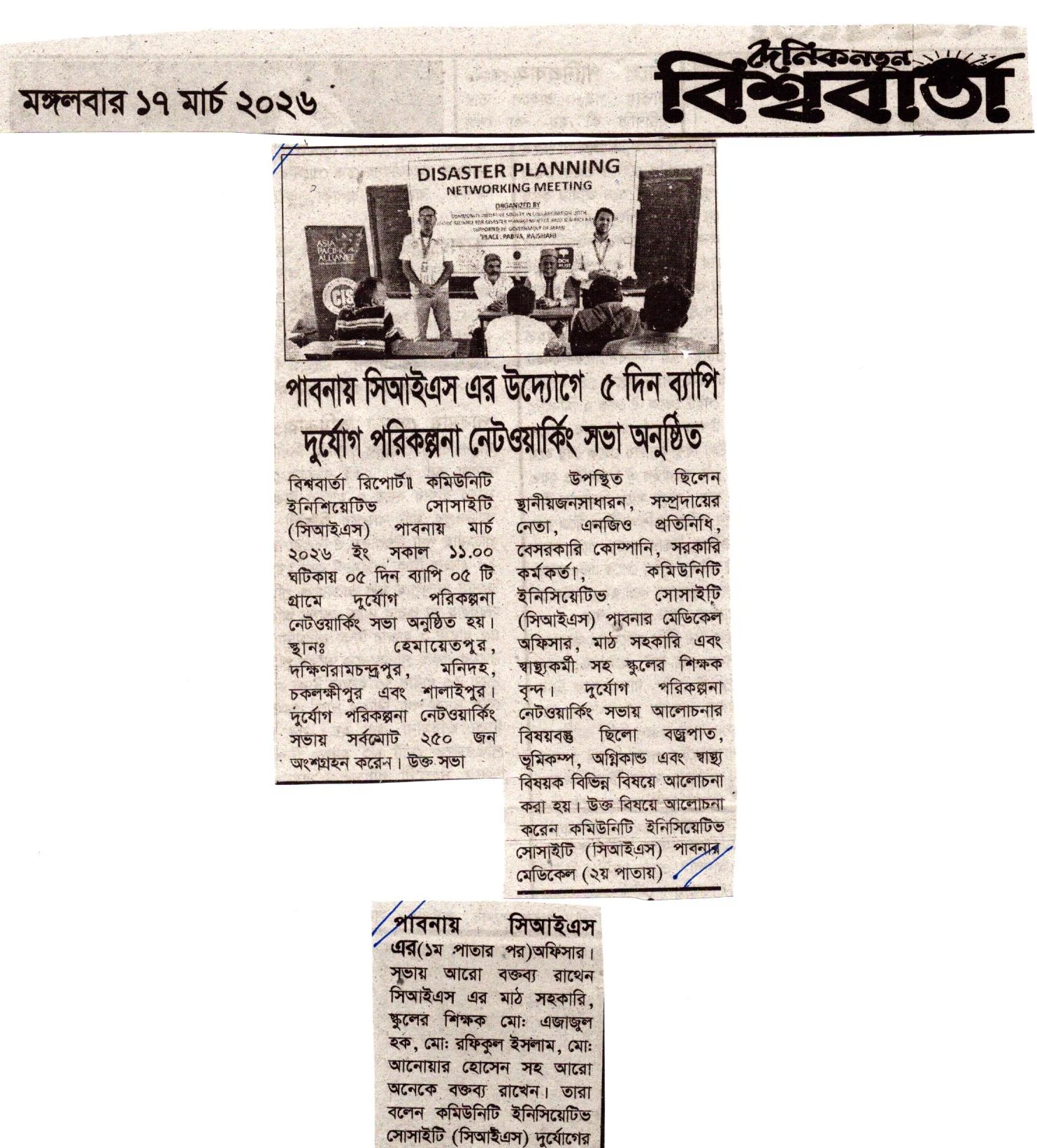
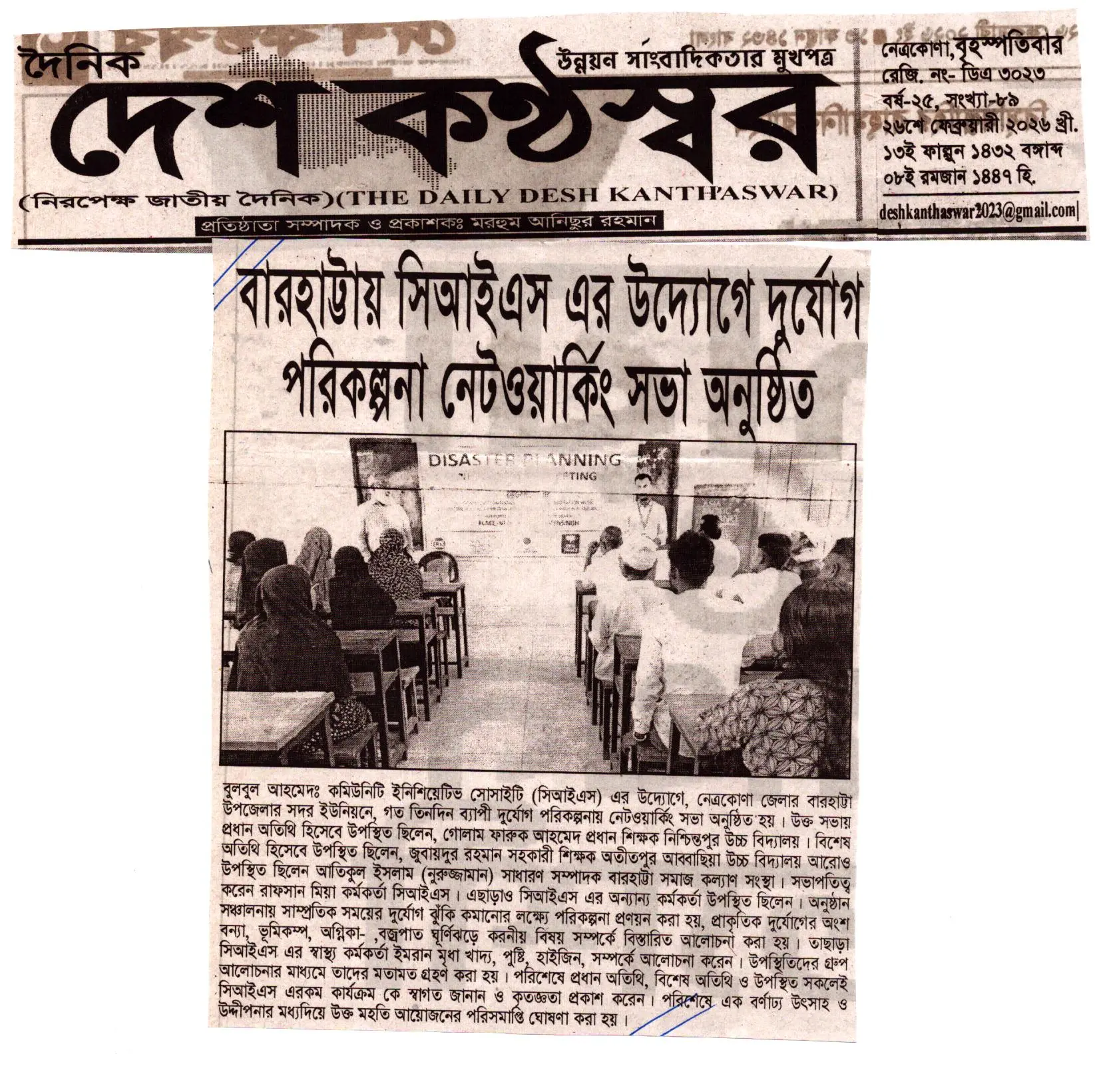
2.1 Disaster Planning Networking Meeting Participants: 50 people × 5 villages × 8 divisions = 2,000 people | 【Indicators of Outcome】 2-1 Strategies, mechanism and action plan meeting among networking partners and local communities will be held to support the building of disaster cooperation framework.
2-2 For the aim of awareness and increase the knowledge on disaster preparedness and management among the local community, we will organize different rally and meeting on the disaster preparedness and SDGs related national/international days like 05 November World Tsunami Awareness Day, 13 October Disaster Risk Reduction Day, 22 April Earth Day and 16 December Victory Day (National).
2-3 For the aim of strengthening of partner organizations, disaster risk reduction (DRR) training will be held. The training contents includes community-based disaster risk management, planning DRR strategies, and risk analysis that effectively identifies hazards, capacities and vulnerabilities. (Indicator: Partner organizations)
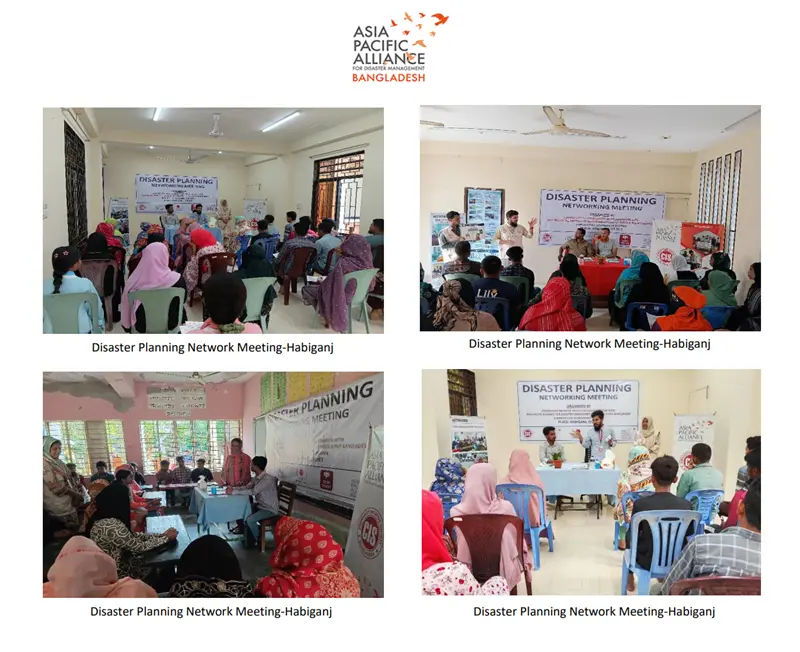
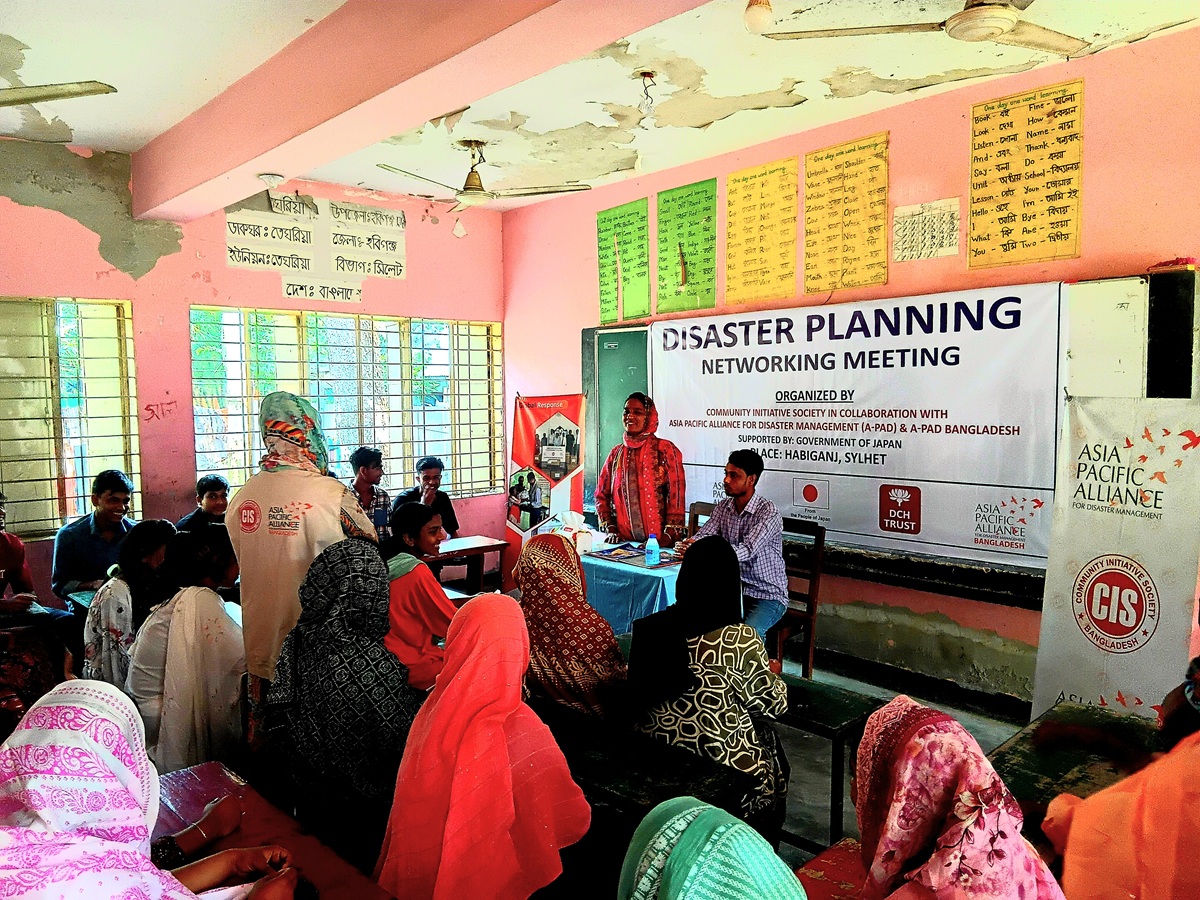
2-4 In this seminar, participants from various fields will be invited to exchange opinions and discuss ways to discover innovations related to DRR proposed by community residents and local companies and realize ideas and inventions. (Indicator: To create innovative solutions, we aim to | A-PAD Bangladesh organized disaster planning networking meeting at Habiganj total 256 participants joined.
25 April 2026, Tetoya, Total Participants 50+1=51 27 April 2026, Mojlishpur, Total Participants 50 28 April 2026, Chanpur, Total Participants 50+3=53 29 April 2026, Doulotpur, Total Participants 50 +2=52 30 April 2026, Gopaya, Total Participants 50
Disaster Planning Networking Meeting was held in Habiganj with the participation of representatives from local government agencies, NGOs, community leaders, disaster management committees, and development partners. The objective of the meeting was to strengthen coordination, improve disaster preparedness, and enhance community resilience against natural disasters in the region.
The session covered key topics including disaster risk reduction (DRR), emergency response planning, early warning systems, climate change impacts, community-based preparedness, and inter-agency coordination mechanisms. Participants discussed existing challenges in disaster response, especially related to floods, storms, and vulnerable populations in remote areas. The meeting also provided a platform for networking and collaboration among stakeholders. Participants shared experiences, best practices, and recommendations for improving coordinated disaster response efforts at local and district levels. |
| create a successful model for disaster response by combining technology and knowledge that transcends fields and innovating)
2-5 The international symposium will be held in Dhaka to widely share the cooperation between multi-actors at the central and regional levels in Bangladesh and the progress of the emergency health response system among participants who are involved in disaster response from inside and outside Bangladesh. International experts will be dispatched from A-PAD member countries to introduce advanced cases of NPF in each country. (Indicator: The international symposium will be held for a total of three days, one day for field trips (field visits), one day for pre-meetings, and one day for international symposiums.) | Outcomes:
o Strengthened coordination among government departments, NGOs, community representatives, and disaster management stakeholders. o Increased awareness and understanding of disaster preparedness, response planning, and risk reduction strategies. o Improved communication and networking between local disaster management committees and partner organizations. o Identification of key disaster risks, vulnerable communities, and priority response areas within the district. o Development of recommendations for updated contingency plans, evacuation procedures, and emergency coordination mechanisms. o Enhanced commitment from stakeholders to support community-based disaster preparedness activities. Indicators: o 15 private organizations and stakeholders participating in the meeting o 95% invited participants attending the event o 85% participants trained on disaster preparedness and response mechanisms |
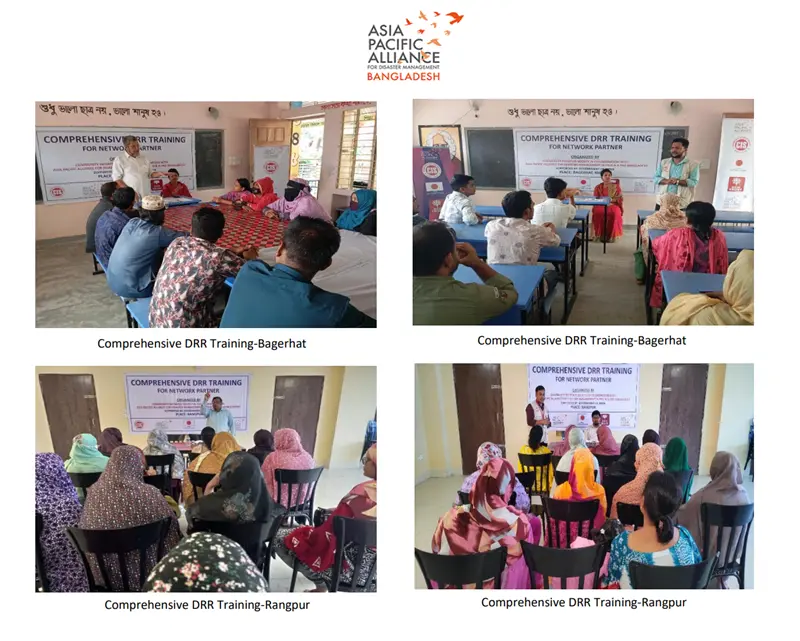
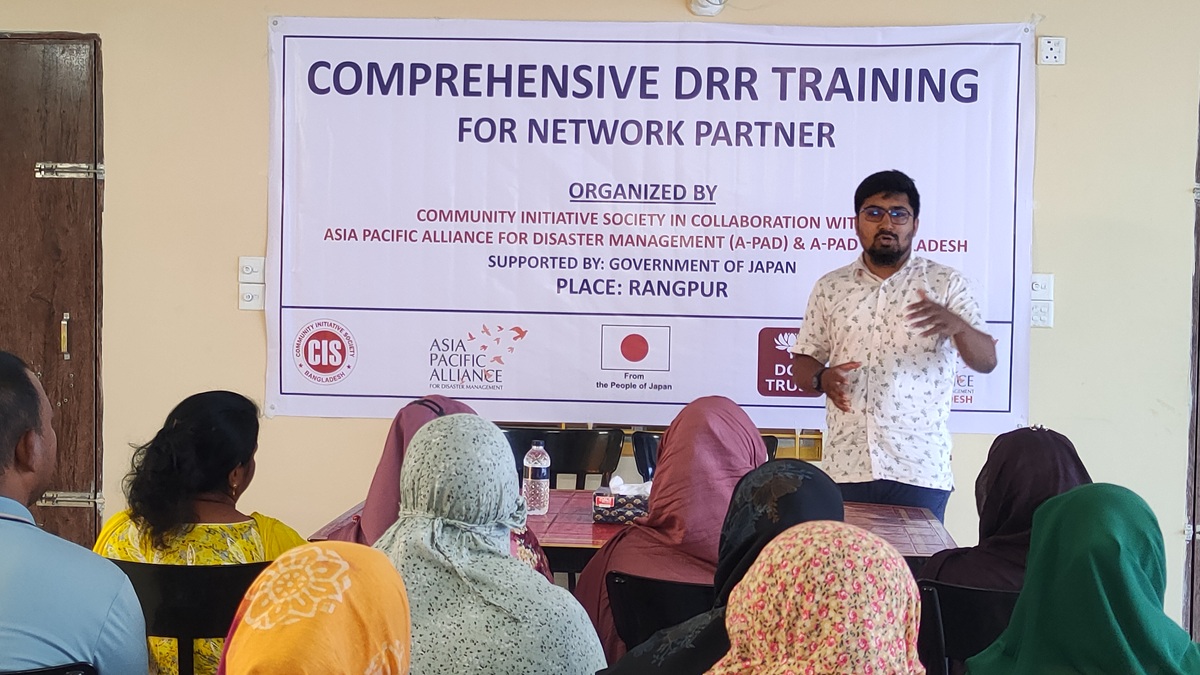
2.2 Comprehensive DRR Training for Network Partner Partici pants:25 people × 2 organizations × 2 times × 8 | A-PAD Bangladesh conducted Comprehensive DRR Training for Network Partner at Bagerhat and Rangpur where 104 persons have participated from 2 Organizations o 21-22 April 2026, Rangpur, Total Participants 50+2 o 27-28 April 2026, Bagerhat, Total Participants 50+2 |
divisions = 800 people |
| Comprehensive Disaster Risk Reduction (DRR) Training was conducted in Rangpur for network partner organizations with the objective of strengthening knowledge, coordination, and preparedness capacities for effective disaster risk management and community resilience building. The training used participatory methods including group discussions, practical exercises, presentations, and experience sharing among participants. These activities helped participants strengthen practical skills in risk assessment, preparedness planning, and coordinated disaster response. Participants actively contributed to identifying local disaster challenges and shared lessons learned from previous disaster responses. The training also encouraged stronger collaboration among network partners for joint preparedness and response initiatives.
Outcome: o Improved knowledge and understanding of DRR concepts and practices among network partners. o Strengthened coordination and collaboration between partner organizations for disaster preparedness and response. o Enhanced capacity of participants to conduct risk assessments and preparedness planning. o Development of practical action plans for DRR implementation at community level.
Comprehensive Disaster Risk Reduction (DRR) Training was conducted in Bagerhat for network partner organizations |
|
| with the aim of strengthening institutional and community capacity for disaster preparedness, risk reduction, and coordinated emergency response.
The training brought together representatives from local NGOs, community-based organizations, volunteers, youth groups, and disaster management stakeholders. The program focused on building participants’ knowledge and practical skills in disaster risk management, climate resilience, and community-based preparedness approaches. The training sessions were conducted using participatory learning methods such as presentations, group discussions, simulation exercises, case studies, and practical demonstrations. Participants actively shared field experiences and discussed local disaster challenges including cyclones, tidal surges, flooding, waterlogging, and climate-related vulnerabilities common in coastal areas.
o Improved understanding of DRR principles and disaster preparedness among network partners. o Strengthened coordination and networking among partner organizations and local stakeholders. o Increased awareness of climate change impacts and coastal disaster risks. o Improved inclusion of women, children, elderly persons, and persons with disabilities in disaster planning. o Development of community-level preparedness and response action plans. |
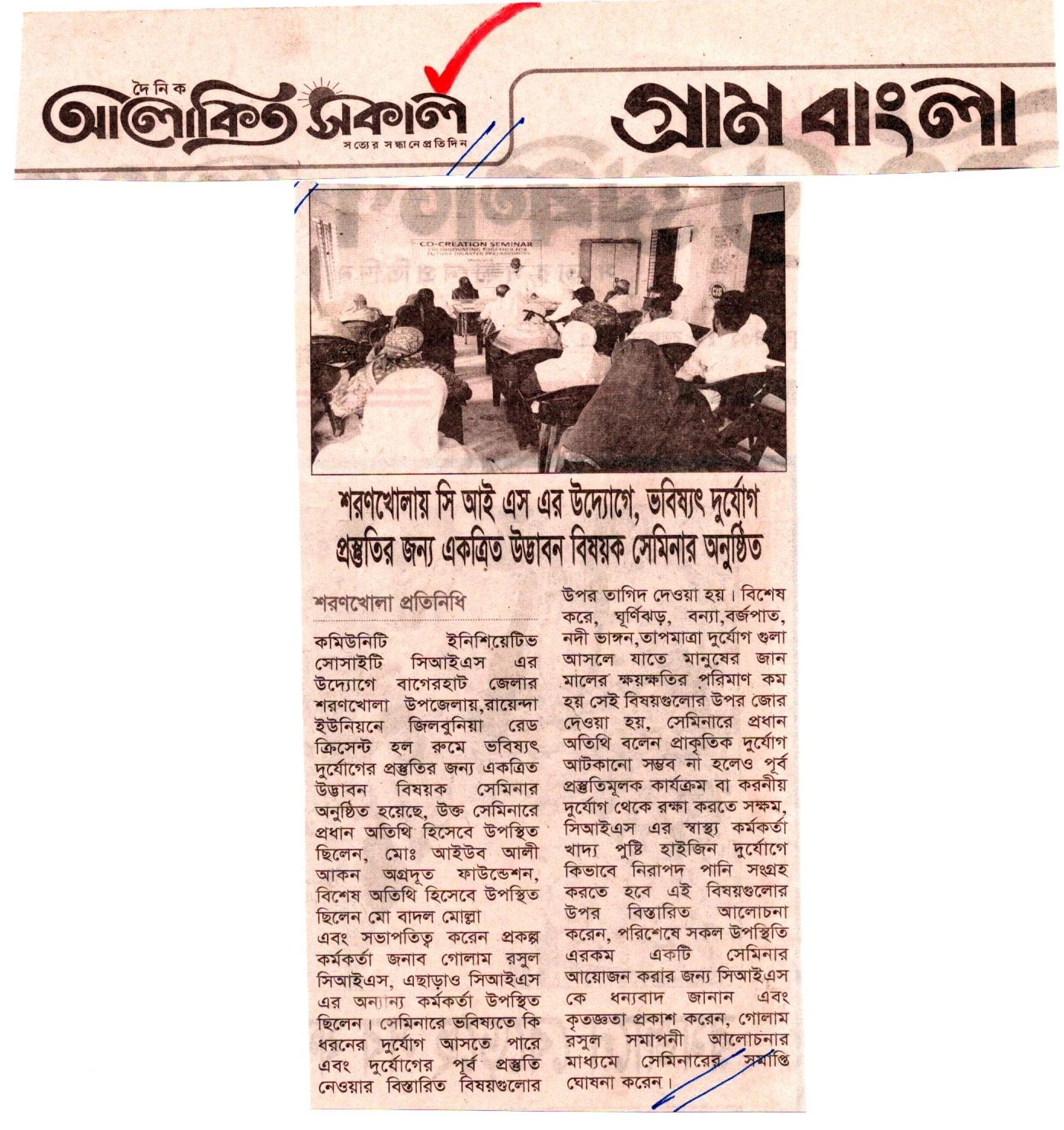
2.3 Co-creation Seminar on Innovating Together for Future Disaster Preparedness (DRR Participants:50 people x 2 org x 8 divisions x 2 times =960 people |
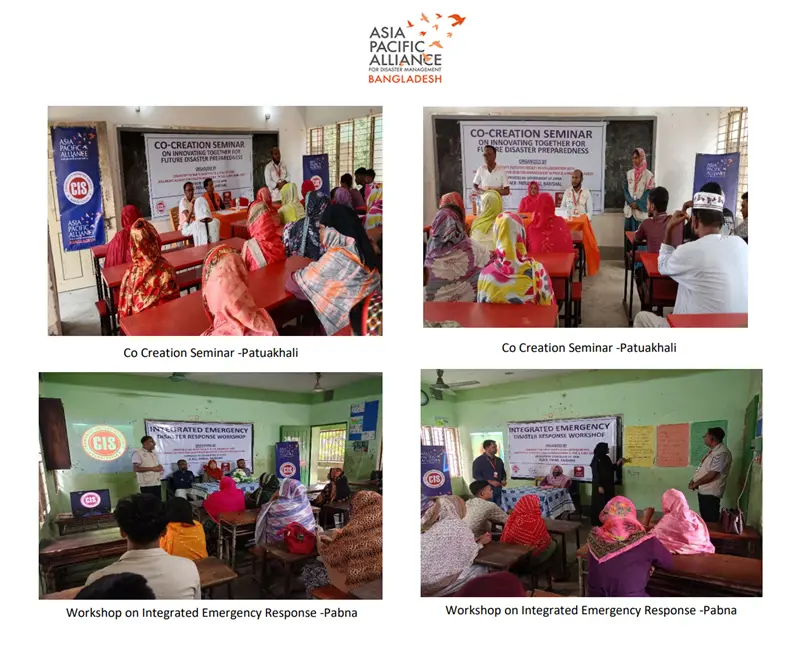
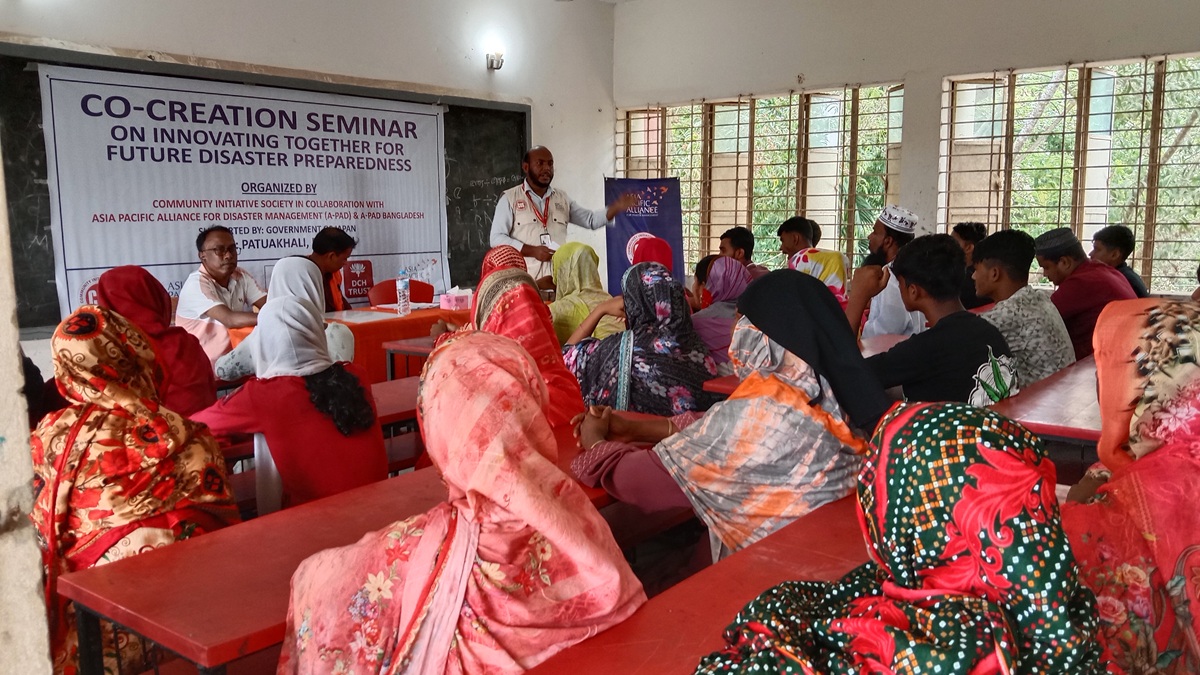
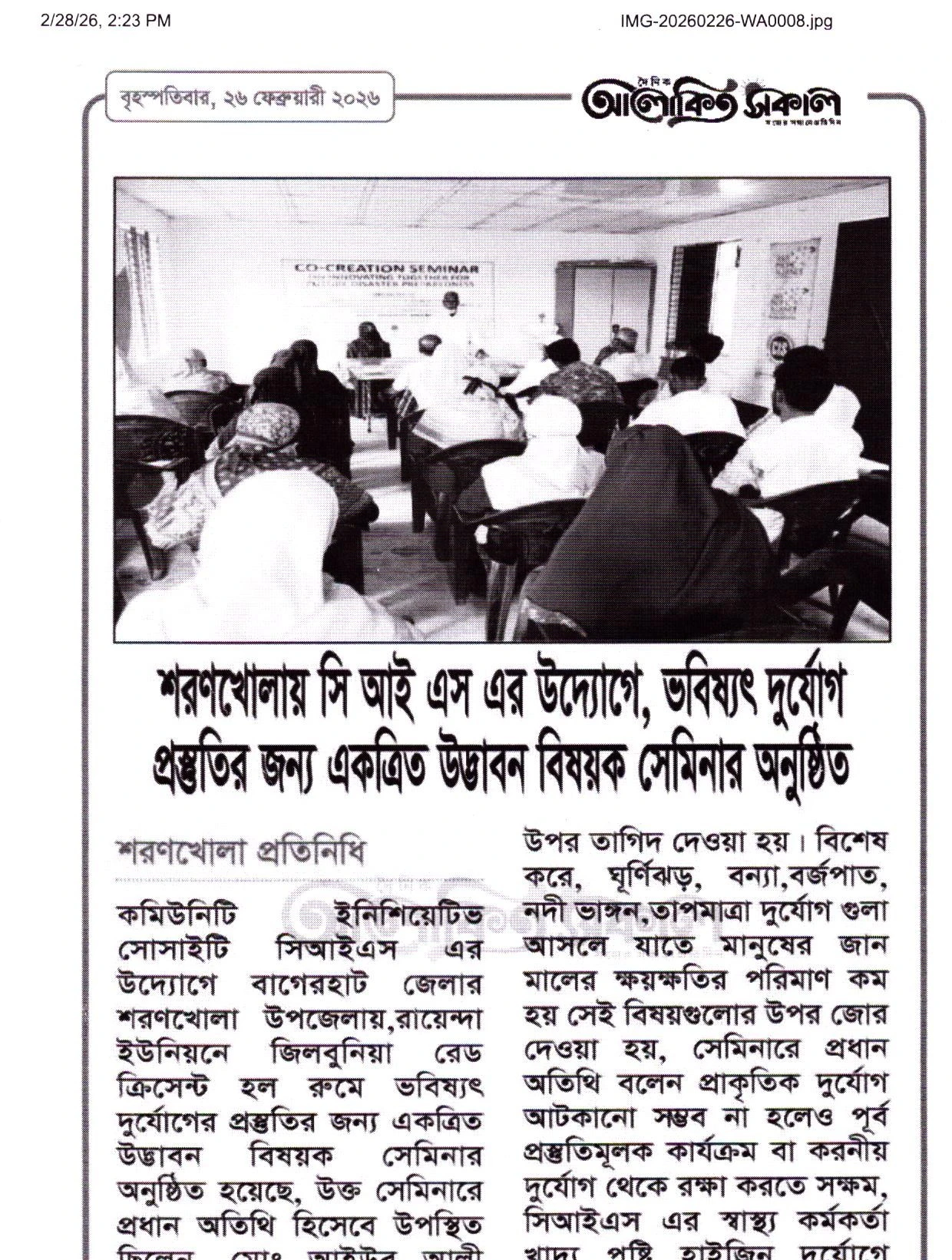
| A-PAD Bangladesh conducted Co-creation Seminar on Innovating Together for Future Disaster Preparedness at Patuakhali where 50 persons have participated
20 April 2026, Patuakhali, Total Participants 50
Co-creation seminar on Innovating Together for Future Disaster Preparedness was conducted in Patuakhali with the participation of representatives from local government institutions, disaster management committees, NGOs, youth groups, community leaders, educators, and development practitioners. The seminar focused on strengthening disaster preparedness and resilience through collaborative learning, innovation, and community engagement. The training sessions covered key areas including climate change impacts, coastal disaster risks, early warning systems, emergency response coordination, community-based disaster preparedness, and the use of innovative technologies for disaster risk reduction. Participants actively engaged in group discussions, problem-solving exercises, and experience-sharing sessions to identify local challenges and practical solutions. Outcome: Improved Knowledge and Awareness Participants gained enhanced understanding of disaster preparedness strategies, climate risks, and response mechanisms. |
|
| Collaborative Action Plans Developed Stakeholders jointly identified priority actions and community-based solutions for strengthening local disaster resilience. Enhanced Stakeholder Coordination Stronger networking and communication were established among local authorities, NGOs, and community representatives. Increased Community Engagement Participants committed to promoting awareness and preparedness activities within their communities. |
2-4 International Symposium on DRR
Participants:200 persons |
| |
3. Empowering Vulnerable Communities through Comprehensive Disaster Preparedness Training (Outcome 3) 3-1 Capacity Building for Community Level Disaster Response in Health and Hygiene | ||
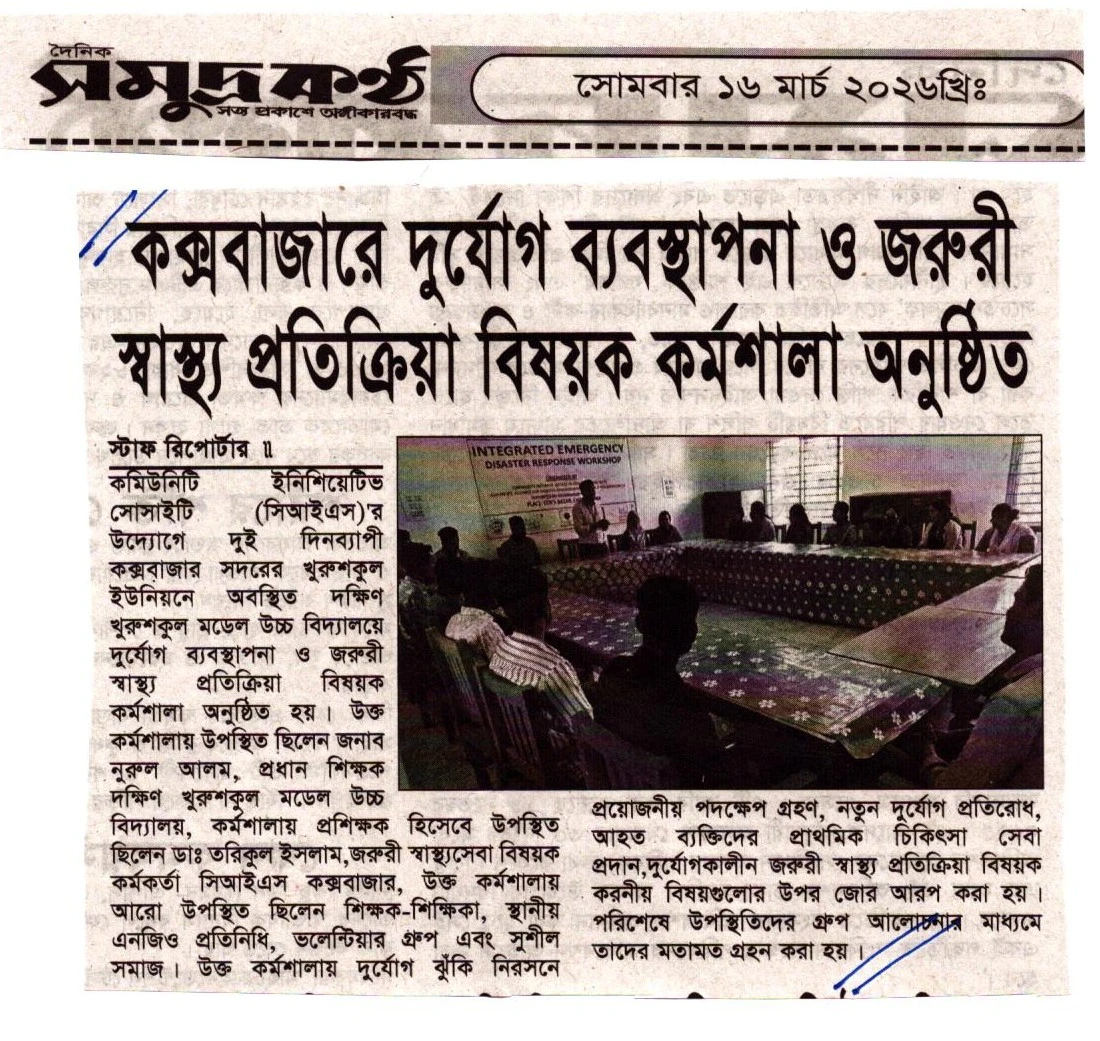
3-1 a) Integrated Emergency Disaster Response Workshop Participants : 30 people ( 2days ) × 2 times× 8 divisions =480 people | 【Indicator of Outcome】 3-1 a) Workshops will be held to understand emergency disaster preparedness, health response and hygiene needs in communities, schools and homes and to learn how to respond during emergencies. Networks of stakeholders will be built through the workshop.
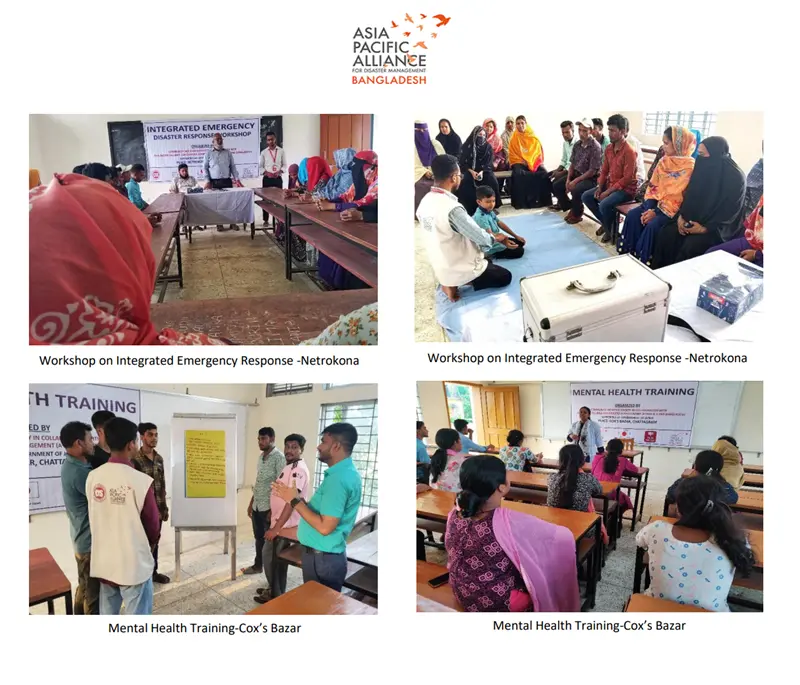
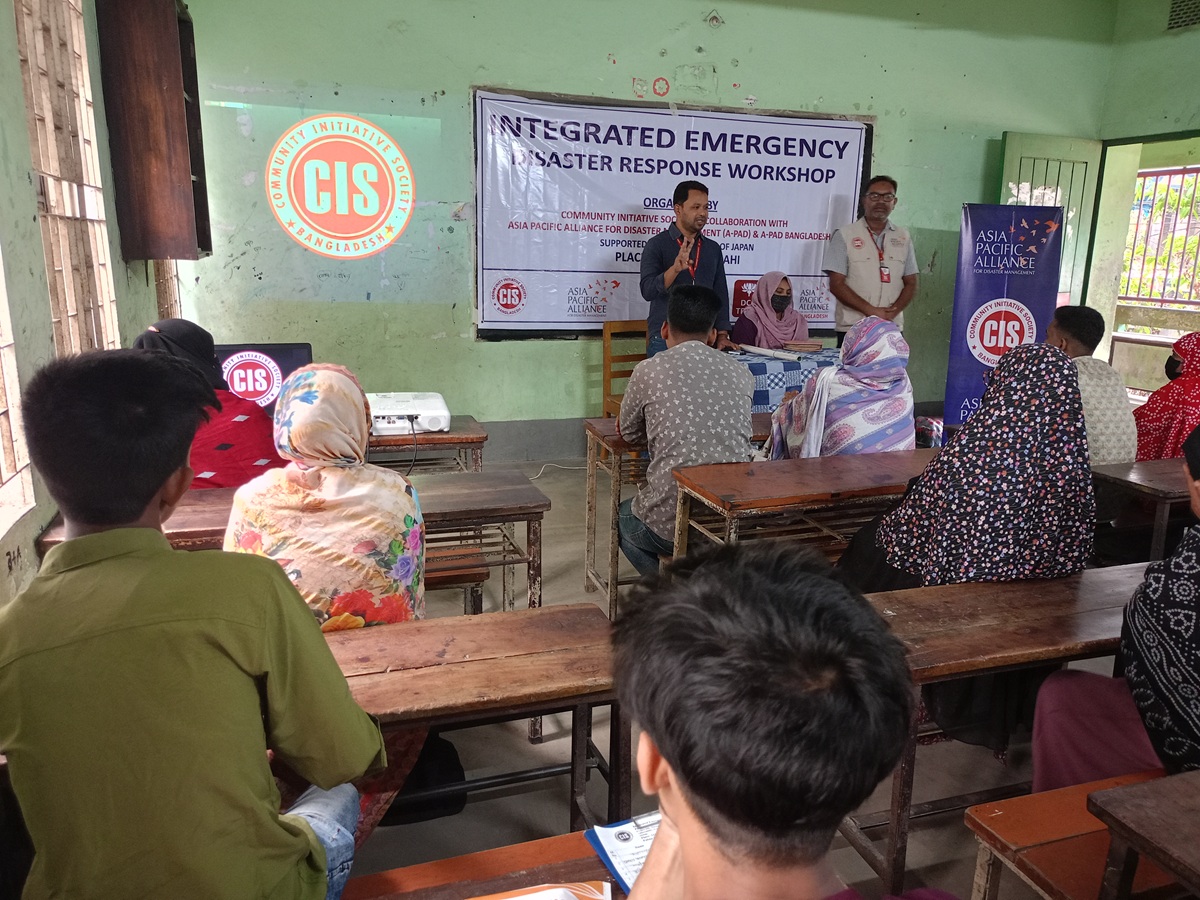
(Indicator: Local citizens, Community leaders, Local NGO, Private sector workers) | A-PAD Bangladesh conducted Integrated Emergency Disaster Response Workshop at Pabna and Netrokona where 63 persons have participated.
20-21 April 2026, Netrokona, Total Participants 30+1=31 27-28 April 2026, Pabna, Total Participants 30+2=32
Integrated Emergency Disaster Response Workshop was conducted in Netrokona District, bringing together representatives from local government, emergency response agencies, health services, and community-based |
| b) Workshop for health workers from local organizations will be held to understand emergency health and hygiene needs and learn how to respond to emergencies. The health workers who finished this trainings are supposed to become member of disaster volunteer rescue team in the activity. | organizations. The workshop aimed to strengthen coordination, preparedness, and rapid response capacity during natural and man-made disasters, particularly in the context of floods, storms, and fire-related emergencies common in the region. Through interactive sessions, practical simulations, and group discussions, participants enhanced their understanding of early warning systems, evacuation procedures, first aid, and multi-agency coordination. Key outcomes of the workshop included improved collaboration among response actors, increased technical and practical skills in emergency response, strengthened community-level preparedness, and the development of localized disaster response action plans. The workshop also established a stronger communication network among stakeholders, contributing to faster and more effective disaster response in the district.
Outcome: o Improved Coordination Mechanism: Strengthened collaboration between government departments, NGOs, and volunteer groups for faster emergency response. o Enhanced Preparedness: Participants developed practical skills in evacuation planning, early warning response, and disaster communication. o Capacity Building: Local responders gained hands-on experience in first aid, search and rescue basics, and emergency triage. |
|
| Integrated Emergency Disaster Response Workshop held in Pabna focused on strengthening coordination, preparedness, and rapid response capacity among local disaster management stakeholders. The workshop brought together representatives from government agencies, local administration, health services, fire service, NGOs, and community volunteers. Integrated Emergency Disaster Response Workshop in Pabna brought together 45 multi-agency participants including fire service, civil defense, health officials, police, NGOs, and community volunteers to strengthen coordinated disaster response. Over the training period, attendees engaged in hands-on sessions covering the Incident Command System, water rescue, fire suppression, CPR, early warning dissemination, and psychosocial first aid, followed by a tabletop flood simulation. Key outcomes included the establishment of a Pabna District Rapid Response Coordination Cell, certification of all participants in basic search and rescue, a standardized 5-step community early warning chain, a district-wide resource inventory of response equipment and shelters, and a unified damage assessment checklist.
Outcome:
o Established a Pabna District Rapid Response Coordination Cell with named focal points from 8 key agencies. |
|
|
o 45 participants certified in basic search & rescue and CPR. o Defined standard operating procedures for activating local volunteers within 30 minutes of an alert. |
3-1 b) Mental Health Training Participants:25 people(3 days ) × 8 divisions = 200 people | A-PAD Bangladesh conducted Mental Health Training at Cox’s Bazar where 25 persons have participated. 25-27 April 2026, Cox’s Bazar, Total Participants 25
Mental Health Training held in Cox’s Bazar focused on strengthening participants’ understanding of common mental health conditions, psychosocial support, and practical approaches to identifying and responding to individuals in distress. The training emphasized awareness of stress, trauma, and anxiety particularly in humanitarian and community settings and introduced basic counseling skills, active listening techniques, and referral pathways for specialized care. Participants also engaged in interactive sessions and case discussions to build confidence in handling real-life situations. Overall, the training helped improve capacity for early identification, supportive communication, and appropriate referral, contributing to better mental health support services in the region. |
|
| Outcome:
o Community volunteers will demonstrate increased knowledge of Psychological First Aid (PFA), crisis intervention, and common mental health disorders. o Trainees will be able to accurately identify individuals with mental health conditions and distress, and effectively refer them to specialized services o Increased community awareness and acceptance of mental health issues through trainee-led awareness sessions, leading to more people seeking help. |
3-2 Strengthening Local Communities’ Emergency Response through Disaster Drill | ||
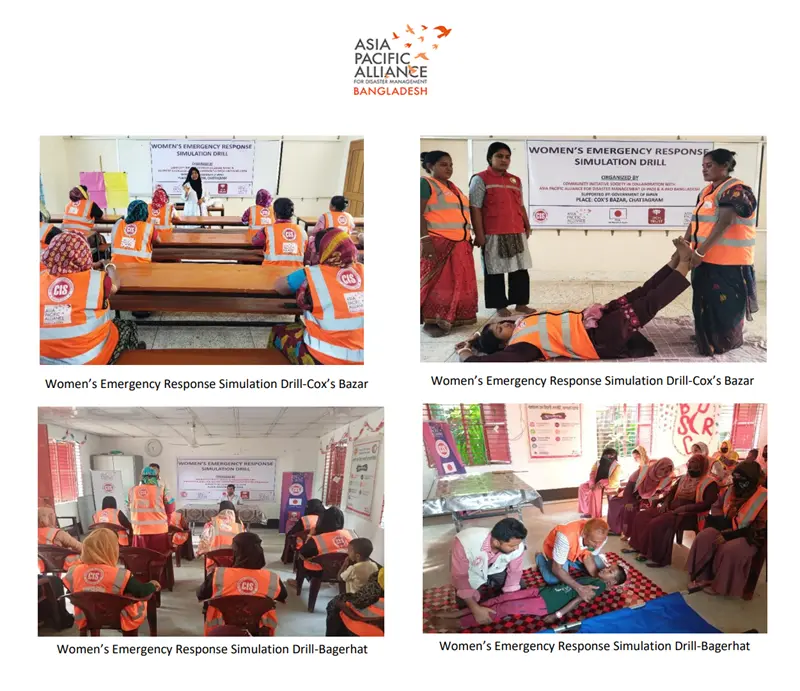
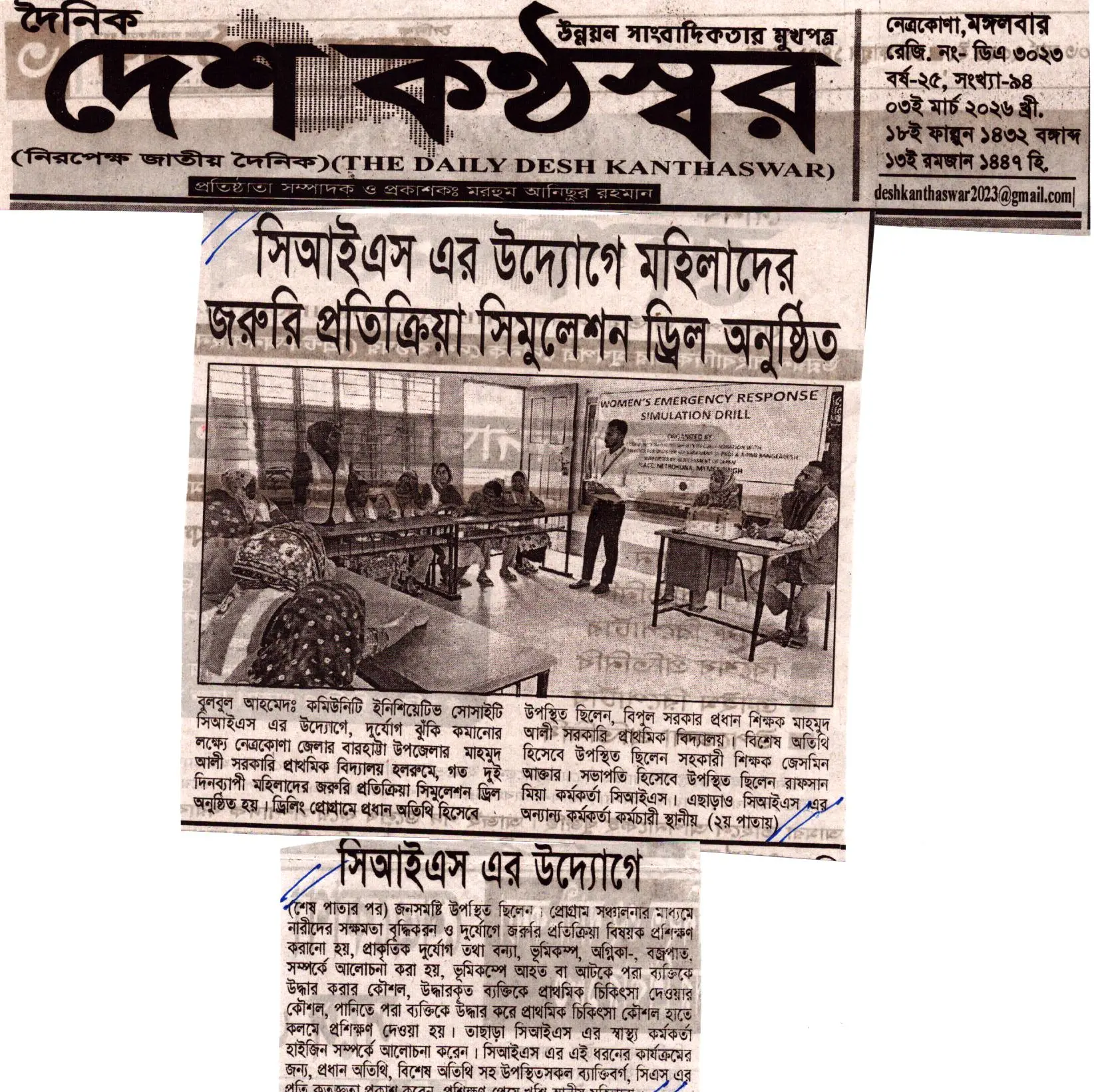
3-2 a) Women’s Emergency Response Simulation Drill Participants:25 people(2 days)× 2 times× 8 divisions =400 people | 3-2 a) Building women empower and capacity building through improving their knowledge and skills on disaster risk reduction, in order to involve them in disaster planning and policy making. A women’s group will be trained in the field of maternal and child health, hygiene and environment sanitation, nutrition. (Indicator: A women’s group will be trained in the field of maternal and child health, hygiene and environment sanitation, nutrition.)
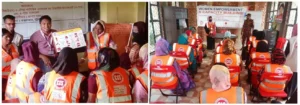
b) Drilling training session will be conduct to the local stakeholders, youth group and homes and to learn how to respond the fire, flood, cyclone, landslide and earthquake disasters and rescue at the emergencies. | A-PAD Bangladesh conducted Women’s Emergency Response Simulation Drill at Cox’s Bazar and Bagerhat where 58 persons have participated. 11-12 April 2026, Cox’s Bazar, Total Participants 25+5=30 22-23 April 2026, Bagerhat, Total Participants 25+3=28
Women’s Emergency Response Simulation Drill was successfully conducted in Cox’s Bazar to strengthen preparedness, coordination, and response capacity during emergencies and disaster situations. The exercise brought together women volunteers, community representatives, humanitarian workers, and local stakeholders to practice life-saving response actions in a realistic emergency scenario. |
| To conduct this training session, we will prepare a training manual and a curriculum collaboration with the department of fire service and civil defense of GoB. (Indicator: After the practical training session two disaster volunteer rescue team will be established in each divisional area.) c) Drilling training session for the public junior high school students and teachers will conduct at the school based focusing self-protection during and after disaster. Manual will be designed for the school children in cooperation with the department of fire service and civil defense of GoB (Indicator: Participated schools will be supported to develop their emergency management plans.)
In order to widely share and disseminate the activities of this project and the experiences and lessons learned through the activities, situation reports and activity reports in the event of a disaster will be published on the A-PAD BGD website. | The simulation focused on key emergency response components including early warning dissemination, evacuation procedures, first aid support, search and rescue coordination, protection of vulnerable groups, and emergency communication. Participants actively demonstrated teamwork, leadership, and rapid decision-making throughout the drill.
The training emphasized the critical role of women in community-based disaster risk reduction and emergency preparedness. Through practical exercises and scenario-based learning, participants improved their understanding of emergency protocols, safety measures, and coordination mechanisms during crisis situations.
Outcomes:
o Participants demonstrated better understanding of disaster response procedures, including early warning response and evacuation protocols. o Strengthened collaboration between women volunteers, community groups, and response stakeholders during simulated emergency scenarios. o The exercise contributed to building more resilient community structures through active participation and learning.
Training in Bagerhat was conducted as part of a broader initiative to address the unique vulnerabilities women face |
|
| in disaster-prone coastal areas. Given Bagerhat’s exposure to annual cyclones, the curriculum was designed to move beyond theoretical knowledge into practical, high-stakes simulation. While cyclone preparedness is the baseline risk, the specific simulation drill in Bagerhat focused on a fire emergency. This tested participants’ ability to switch between different types of hazards
o Fire Evacuation: A controlled simulation to practice panic-free evacuation procedures during a fire outbreak. o Water Rescue: Demonstrations on specific techniques for saving children during water-related disasters. o First Aid: Basic medical response training to stabilize injuries before professional help arrives
Outcomes:
o Enhanced Gender-Responsive Systems: The drill improved the understanding of gender-responsive early warning systems and shelter management, ensuring that the specific needs for privacy and safety are addressed in real emergencies . o Institutional Coordination: It strengthened the role of the Disaster Management Committee (DMC) by testing inter-agency communication and resource mobilization among local actors |
|
|
|
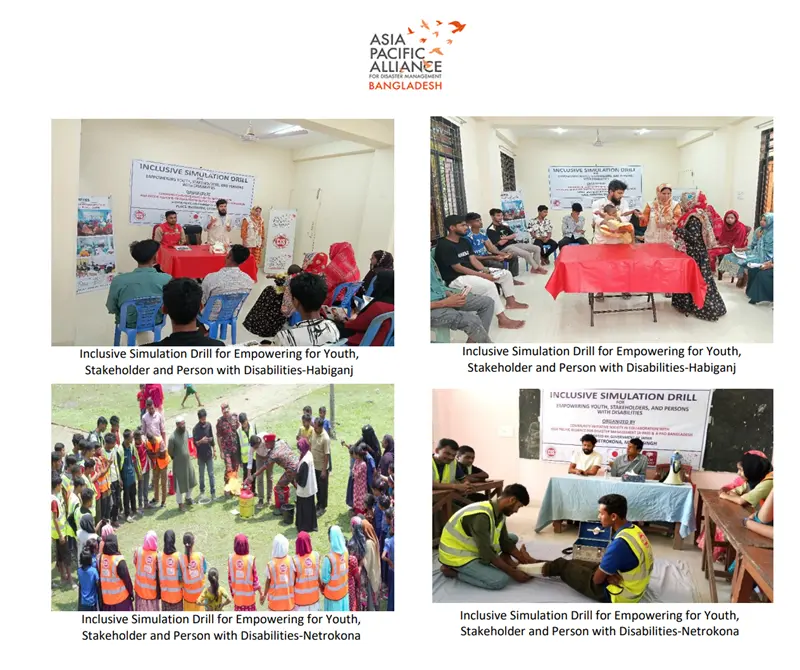
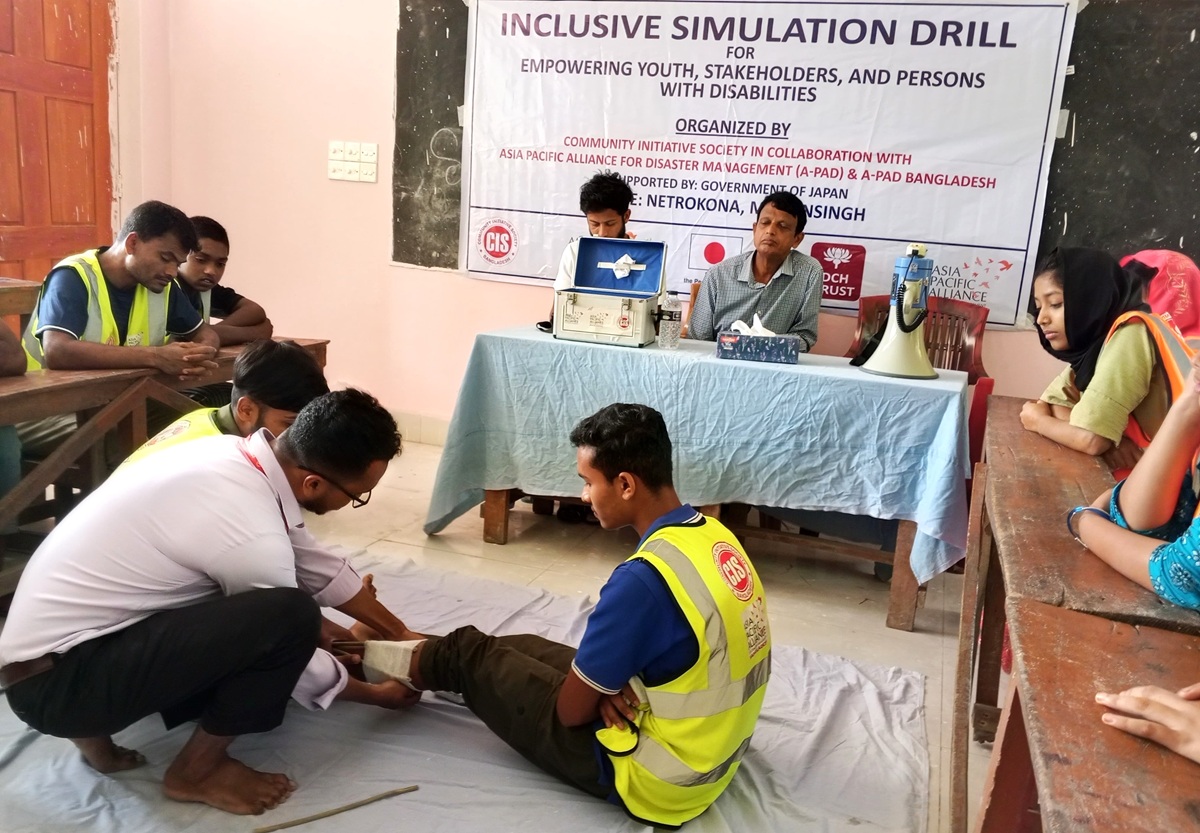
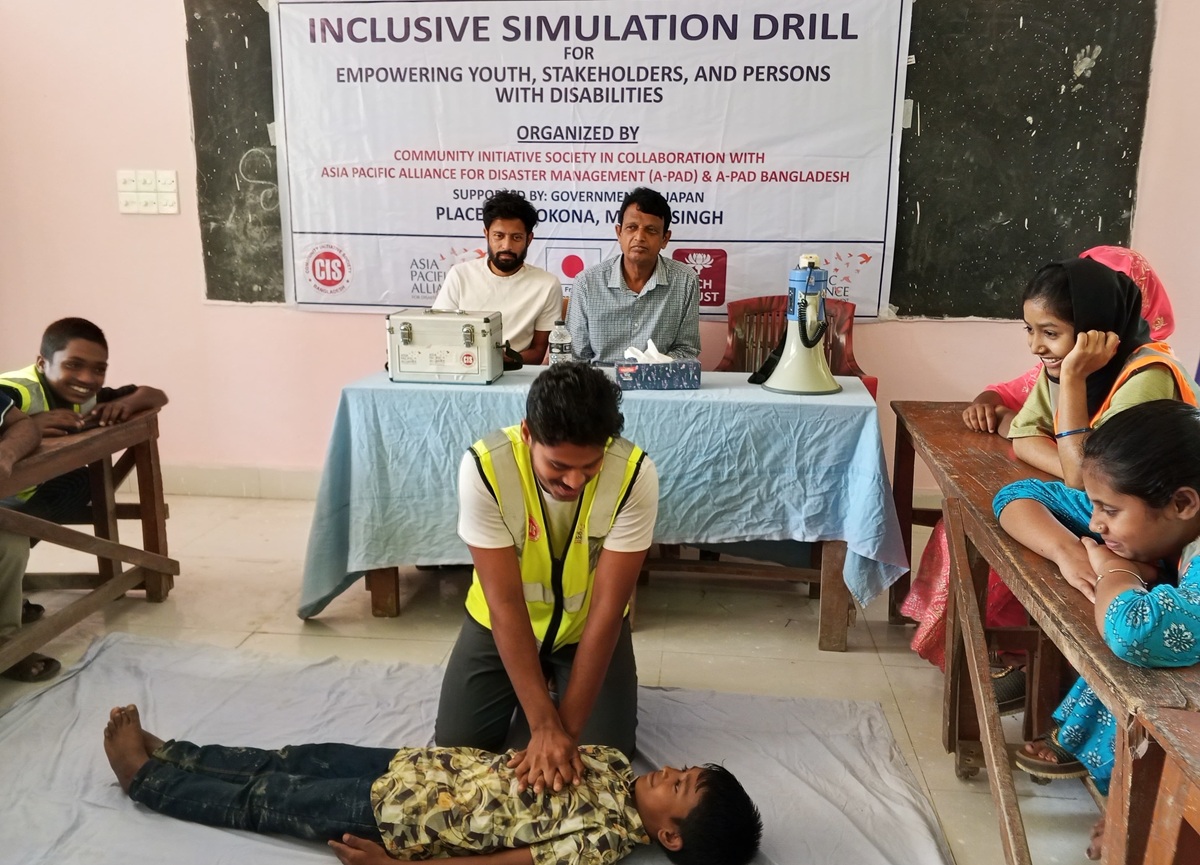
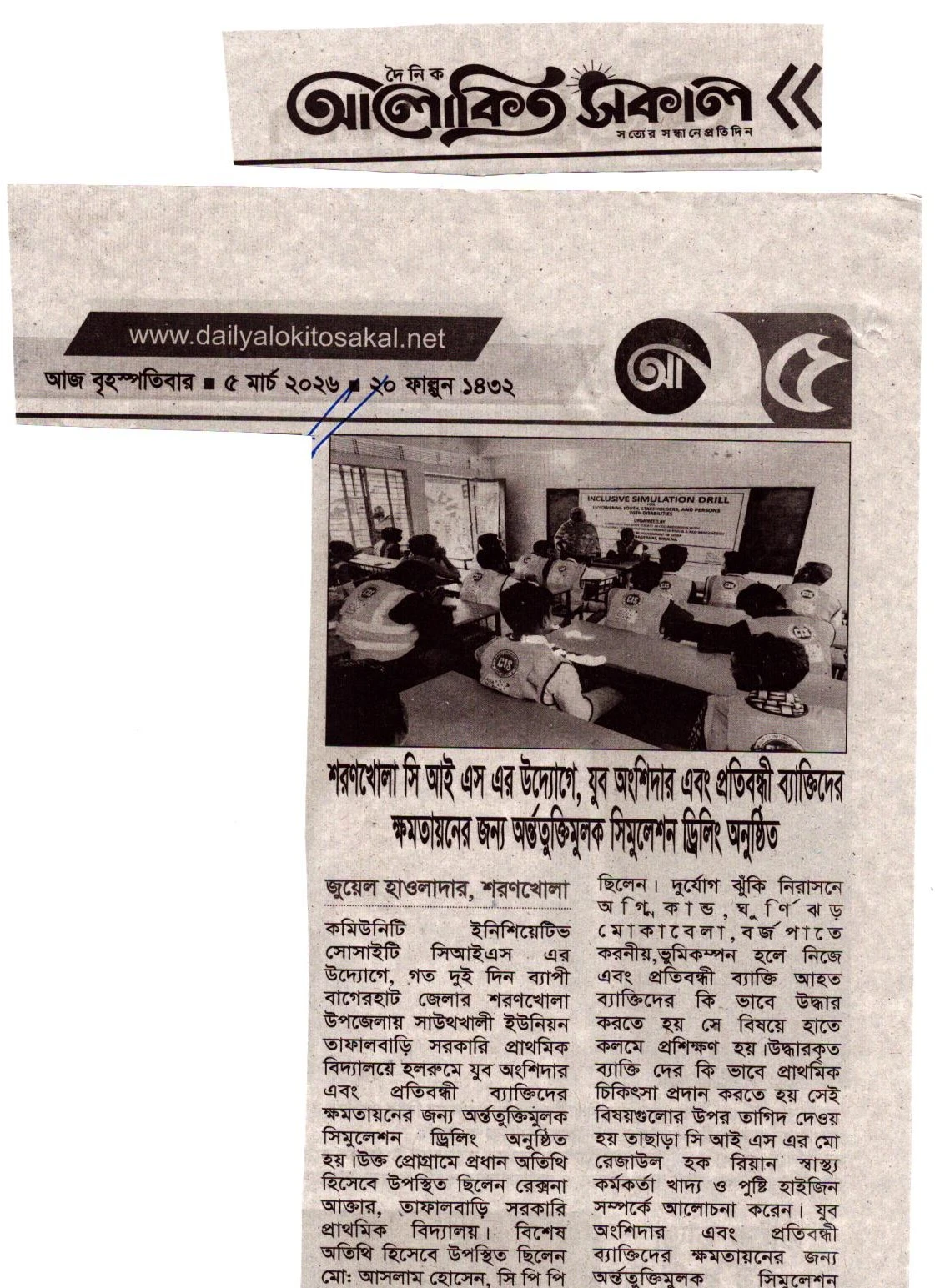
b) Inclusive Simulation Drill for Empowering Youth, Stakeholders, and Persons with Disabilities Participants:45 persons x 8 divisions x 2 times = 720 persons | A-PAD Bangladesh conducted Inclusive Simulation Drill for Empowering Youth, Stakeholders, and Persons with Disabilities at Netrokona and Habiganj where 90 persons have participated.
07-08 April 2026, Netrokona, Total Participants 45 22-23 April 2026, Habiganj, Total Participants 45
Inclusive simulation drill was conducted in Netrokona with the objective of strengthening disaster preparedness, coordination, and response mechanisms among youth groups, local stakeholders, and persons with disabilities. The training emphasized equal participation, accessibility, and community-led resilience building. The drill combined practical emergency response scenarios (such as evacuation, first aid response, and communication during emergencies) with inclusive planning strategies to ensure that persons with disabilities could actively participate and contribute.
Outcomes: o Increased awareness of inclusive disaster risk reduction practices among all participants |
|
| o Active participation of persons with disabilities in all simulation stages o Improved coordination between youth volunteers, community leaders, and emergency responders o Strengthened confidence and leadership skills among youth and PWD participants o Development of recommendations for making future disaster response plans more inclusive Inclusive simulation drill was conducted in Habiganj to empower youth, local stakeholders, and persons with disabilities in disaster preparedness and emergency response. The drill actively engaged participants in hands-on scenarios such as accessible evacuation, communication during crises, and role-based decision-making ensuring that the specific needs and voices of PWDs were integrated into every stage. Key outcomes included heightened awareness of inclusive practices among stakeholders, increased confidence and leadership among youth in coordinating response efforts, and the development of practical, disability-inclusive emergency action plans. Additionally, the drill fostered stronger community collaboration, identified and addressed physical and communication barriers, and established a replicable model for inclusive disaster risk reduction in the region. |
|
| Outcomes: o Improved Inclusion Awareness: Participants gained practical understanding of how to integrate PWDs into emergency response systems. o Enhanced Coordination: Youth volunteers and local responders demonstrated improved teamwork during simulated emergencies. o Accessibility Gaps Identified: Issues such as limited ramps, unclear evacuation signage, and lack of assistive communication tools were highlighted. o Capacity Building: PWD participants actively engaged in drills, increasing their confidence in emergency situations. o Community Engagement Strengthened: Local stakeholders showed increased commitment to inclusive disaster planning. |
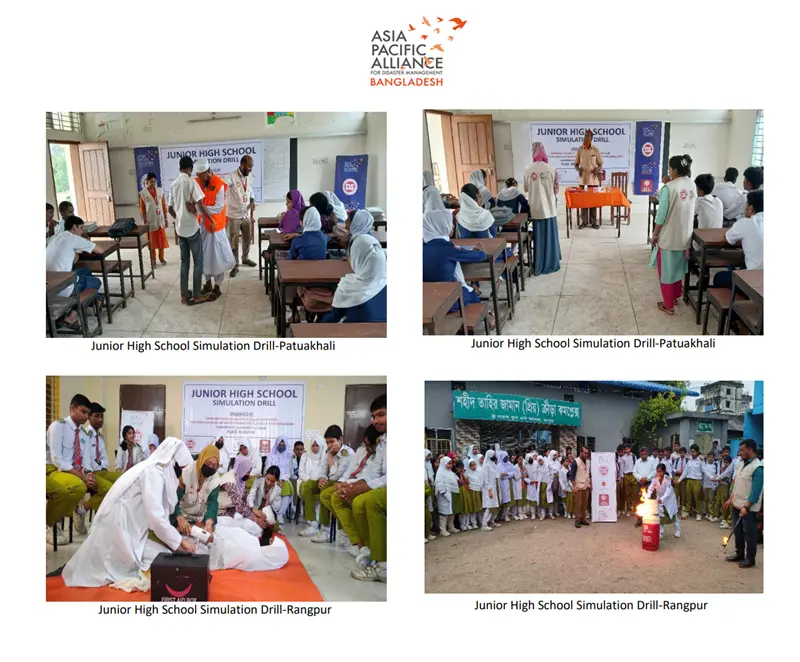
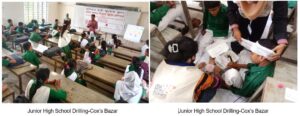
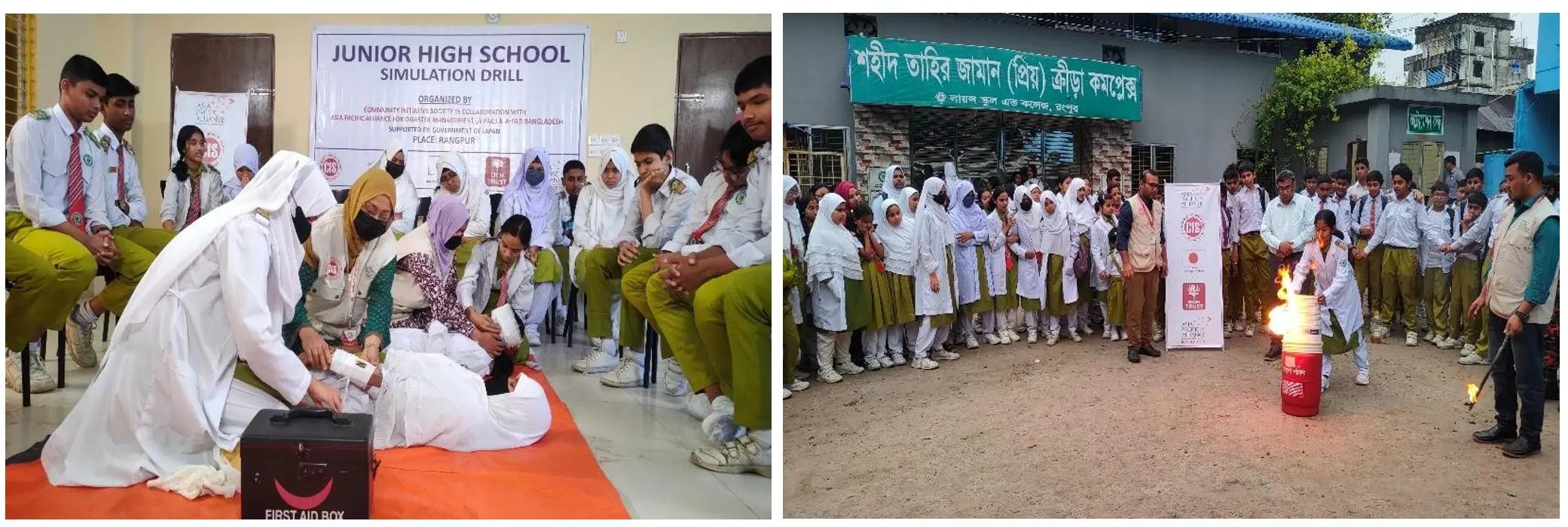
3-2 c) Junior High School Simulation Drill Participants:40 people(2 days ) × 2 times × 8 divisions = 640 people | A-PAD Bangladesh conducted Junior High School Simulation Drill at Patuakhali and Rangpur where 84 persons have participated. 26-27 April 2026, Patuakhali, Total Participants 40+2 28-29 April 2026, Rangpur, Total Participants 40+2=42
Junior High School Simulation Drill in Patuakhali was successfully conducted to enhance emergency preparedness among students and staff. Participants practiced coordinated responses to simulated crises, |
|
| including natural disasters and fire incidents, focusing on swift evacuation, first aid application, and effective communication protocols. The drill highlighted both strengths in student discipline and areas for improvement, such as faster assembly times and clearer role assignments. Overall, the exercise reinforced a culture of safety, equipping young learners with practical skills and confidence to act calmly during real-life emergencies.
Outcome:
o Complete evacuation in ≤3 minutes (for 2-story school). o No student re-enters building for bags / personal items (post-drill survey confirms). o 90%+ students can state “stop, drop, and roll” correctly when asked. o School fire safety committee (students + teachers) submits one improvement: e.g., “clear exit door blockage”.
Junior High School Simulation Drill was conducted in Patuakhali to strengthen emergency preparedness among students, teachers, and school management committees. The training focused on practical evacuation procedures, including “Drop, Cover, and Hold,” orderly classroom evacuation, assembly at designated safe points, and basic headcount and first aid practices. Key performance |
|
| indicators included participation rate, evacuation time, compliance with safety procedures, orderliness during evacuation, accuracy of student headcounts, and overall awareness levels of emergency protocols. The outcomes showed strong participation and improved understanding of disaster response procedures among students and teachers. Most participants were able to follow evacuation instructions correctly and assemble at safe points within a reasonable time, demonstrating improved coordination and confidence. However, minor gaps were observed in maintaining calm during initial evacuation and clarity of alarm communication, indicating the need for regular drills and improved signaling systems. Overall, the simulation drill enhanced school-level disaster preparedness and reinforced a culture of safety and responsiveness in the school environment.
Outcome:
o Students demonstrated improved understanding of emergency procedures. o Safe evacuation completed within acceptable time limits. o Increased confidence among teachers in managing emergencies. o Strengthened coordination between students, teachers, and school committee. o Identification of gaps in evacuation routes and signage. |
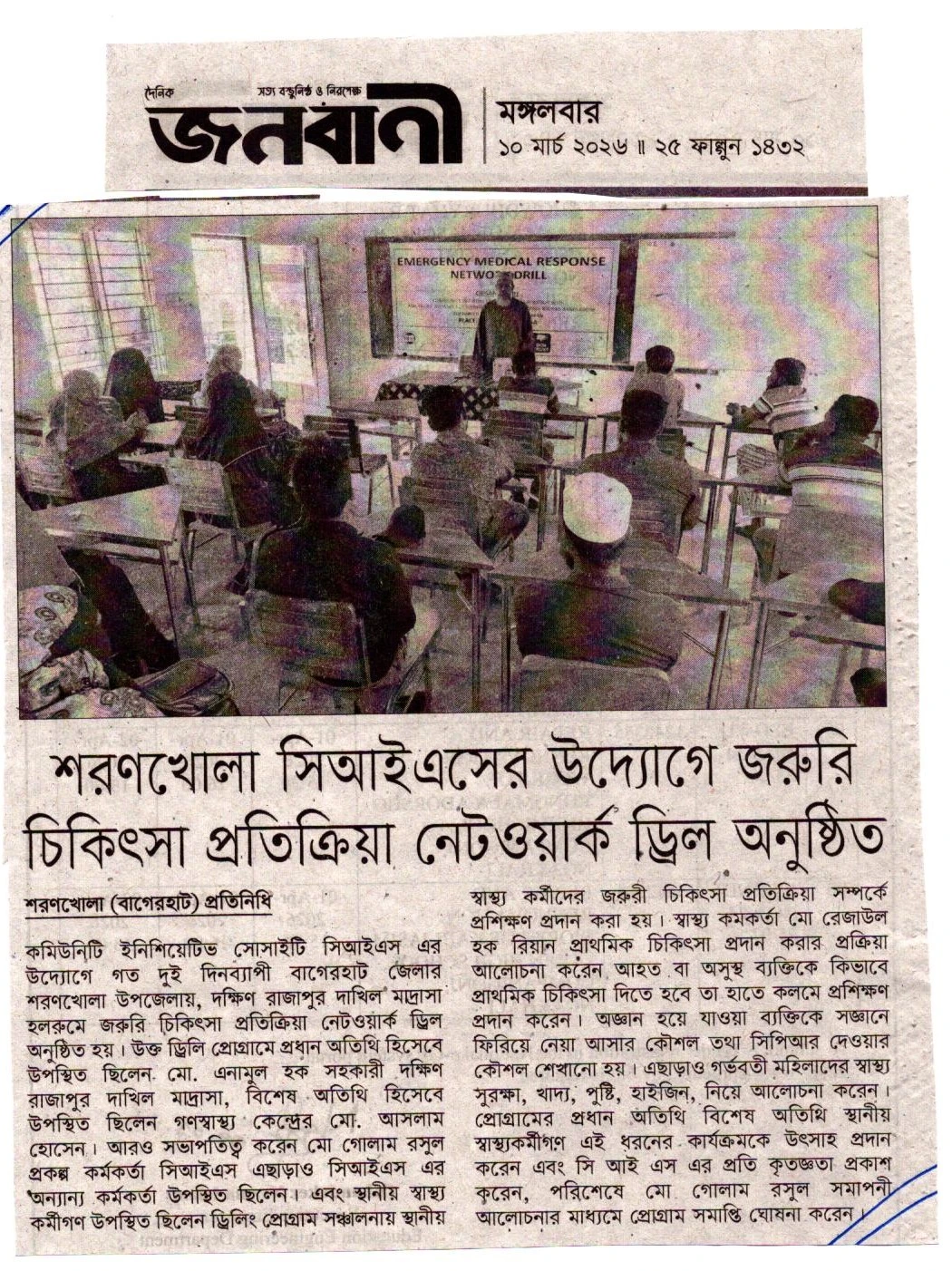
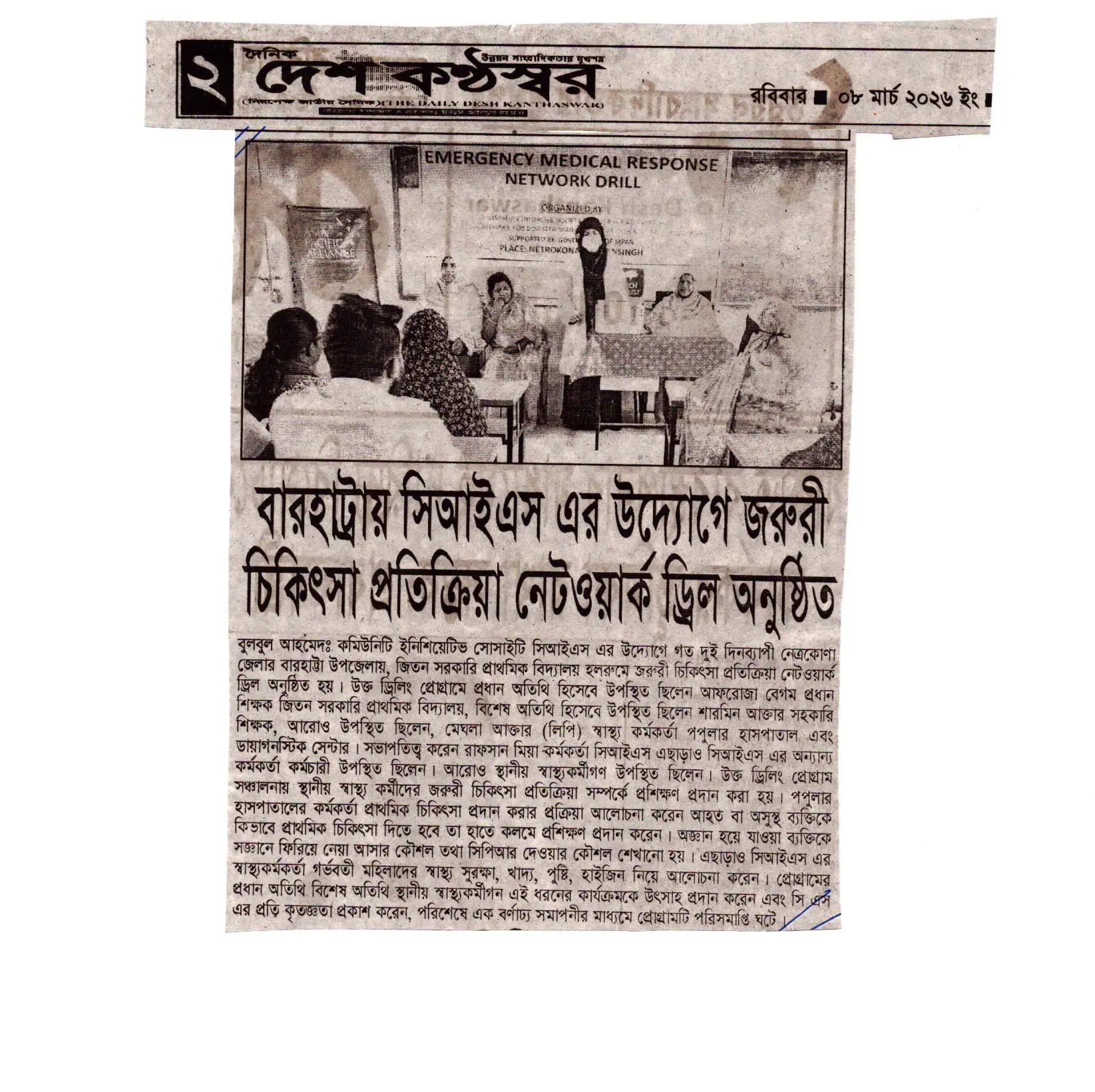
3-2 d) Emergency Medical Response Network Drill Participants:40 people(2 days ) × 2 times × 8 divisions = 640 people |
|
|
3-3 Update website contents as E-resources for Disaster Management | https://apad-bd.org/a-pad-bangladesh-activity-report-month-of-march-2026/ https://apad-bd.org/wp-content/uploads/2026/05/im1.jpeg https://apad-bd.org/wp-content/uploads/2026/05/im2.jpeg https://apad-bd.org/wp-content/uploads/2026/05/im3.jpeg https://apad-bd.org/wp-content/uploads/2026/05/im4.jpeg https://apad-bd.org/wp-content/uploads/2026/05/im5.jpeg https://apad-bd.org/wp-content/uploads/2026/05/im6.jpeg https://apad-bd.org/wp-content/uploads/2026/05/im7.jpeg https://apad-bd.org/wp-content/uploads/2026/05/im8.jpeg https://apad-bd.org/wp-content/uploads/2026/05/im9.jpeg https://apad-bd.org/wp-content/uploads/2026/05/2026-04-30-15-30-06-01.webp |
- Challenges
- Practice in collaboration with A-PAD Bangladesh Network Partners Please write good practice in collaboration with partner organizations
- Any contribution Funds Received and Grants Applied / Planned and Implemented Projects by CIS including Emergency Response Please write Projects name and its fund resources
- Relationship with Bangladesh Government and Japanese Embassy Please write about Meeting with Government officials