Project Title: Strengthening Capacity for Sustainable Disaster Management Network by involving multi-sectoral platform Project Period: 17 January, 2024– 16 January, 2025 (12 month)
- Project Activities and Accomplishments
Bangladesh’s historical narrative, both before and after its independence, is heavily influenced by a range of disasters, largely driven by natural hazards. Situated near the Bay of Bengal, the nation faces the frequent threat of tropical cyclones that originate in the Indian Ocean. These powerful storms intensify as they approach the Southeast Asian region, with Bangladesh being one of the most affected countries. Storms are the most common disaster type encountered by the nation and have historically caused widespread devastation. The geographical makeup of Bangladesh, characterized by its extensive river delta systems and a monsoon climate, significantly heightens the risk of flooding. These floods rank as the second most common disaster affecting the country, often exacerbated by storm surges associated with cyclones. In addition to these challenges, Bangladesh is also vulnerable to landslides that typically occur in the wake of storms and heavy rainfall, alongside other hazards like earthquakes, extreme temperatures, and widespread epidemics that can arise in the aftermath of such disasters. The impacts of climate change are becoming increasingly apparent, further exacerbating Bangladesh’s susceptibility to these hazards.
A-PAD Bangladesh initiated its project in January 2023, with ongoing efforts continuing from January 17, 2025, aimed at enhancing capacity in disaster management. The organization engages with various sectors, including local communities, community leaders, stakeholders, and government officials, through continuous training sessions focused on disaster management. To facilitate these training programs, A-PAD Bangladesh staff organized small community meetings to share insights on disaster preparedness and to introduce participants to the activities of A-PAD Bangladesh. The organization operates across eight divisional areas.
In each division, there is one health worker responsible for conducting home visits to raise awareness within the local community regarding fundamental disaster management issues. These health workers also disseminate crucial information concerning government directives or any disaster-related announcements to the community. As of November 2025, A-PAD Bangladesh has successfully benefited a total of 3,287 individuals.
A-PAD Bangladesh also participated in coordination meetings held in the eight divisions at the Office of the Deputy Commissioner. These meetings included various NGOs that presented their activities and discussed future initiatives in collaboration with government bodies and NGO partners.
1. Strengthening of disaster risk reduction and disaster response system functions through the Emergency Disaster Management Coordination Center | ||
Activities | ( Outcome 1 ) The Emergency Disaster Management Coordination Center operated under this project will function as a disaster response base in each region, leading to the disaster risk reduction in the community and the strengthening of its disaster response system.: | Project Status: Achievements vs Outcome: If the activity is behind the schedule, please write the reason. |
1-1 Operation of Emergency Disaster Management Coordination Centers Target:Local communities 10 people×25 days×8 divisions×12 months =24,000 people | 【Indicators of Outcome】 1-1 The Emergency Disaster Management Coordination Center will be used for coordination meetings among partner organizations and relevant stakeholders during normal times, and will also serve as a center for health and public health guidance for the local residents. In the time of emergency, health services will be provided by emergency health workers. The Emergency Disaster Management Coordination Center will be used by 24,000 local residents (annual average) in the target area. (Indicator:number or visitors, record of services provided)
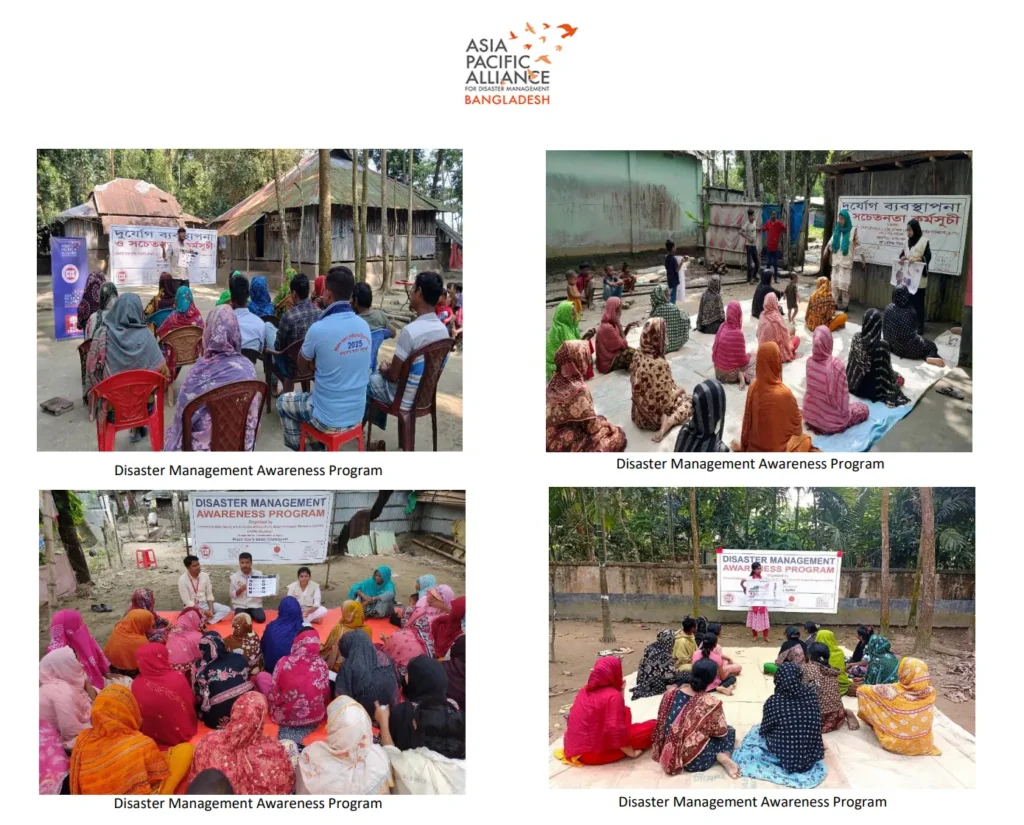
1-2 Through the Disaster Management Awareness Program, community residents will receive the latest disaster information and knowledge on how to respond to disasters, and people’s awareness of disaster prevention and response will be increased. (Indicator:Community disaster preparedness report) | Total 2,336 people visited to the Disaster Management Coordination Center to discuss about disaster preparedness and health related issues. Dhaka: 250 Persons Cox’s Bazar: 288 Persons Pabna: 320 Persons Bagerhat: 316 Persons Patuakhali: 310 Persons Habiganj: 254 Persons Rangpur: 280 Persons Netrokona: 318 Persons Total = 2,336 Persons |
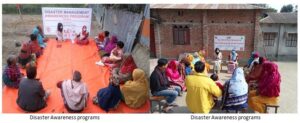
1-2 Disaster Management Awareness Program Target:Local communities, Community leaders, Local NGOs, Private company workers, government officials 15 people × 8 divisions × 4 times ×12 months =5,760 | A-PAD Bangladesh conducted Disaster Management Awareness programs at the 8 divisional areas where 494 persons have participated. Total 4 times training organized at each divisional areas. Dhaka:15 Participantsx 4 Sessons= 60 Participants Cox’s Bazar: 15 Participantsx 4 Sessons= 60 Participants Pabna: 15 Participantsx 4 Sessons= 60+3=63 Participants Bagerhat: 15 Participantsx 4 Sessons= 60+2=62 Participants Patuakhali: 15 Participantsx 4 Sessons= 60 Participants | |
people |
| Habiganj: 15 Participantsx 4 Sessons= 60+3=63 Participants Rangpur: 15 Participantsx 4 Sessons= 60+2=62 Participants Netrokona: 15 Participants x 4 Sessons= 60+4=64 Participants |
2. Expansion of disaster management network to improve community vulnerability | ||
| (Outcome 2)The network of NPF will be expanded and the capacity of each region for disaster prevention and response will be strengthened. |
|
2-1 Network Partner Meeting Target : Local communities, Community leaders, Local NGO, Private Company Workers, Government officials 50 people × 5 villages × 8 divisions = 2,000 people | 【Indicator of Outcome】 2-1 Strategies, mechanisms, and action plans for disaster reduction cooperation are developed in each region through discussions at network partner meetings, and a framework for disaster reduction cooperation is established. (Indicator:Strategic Plan) 2-2 MOUs signed with at least 5 new organizations, including private companies, in A-PAD Bangladesh NPF to expand the network (Indicator:number of new MOUs signed) 2-4 Resources possessed by A-PAD BGD partner organizations are provided in emergency disaster response, and play the role of that organization in times of emergency. (Indicator:List of resources such as supplies, human resources and donations provided by partner organizations for emergency disaster response) |
|
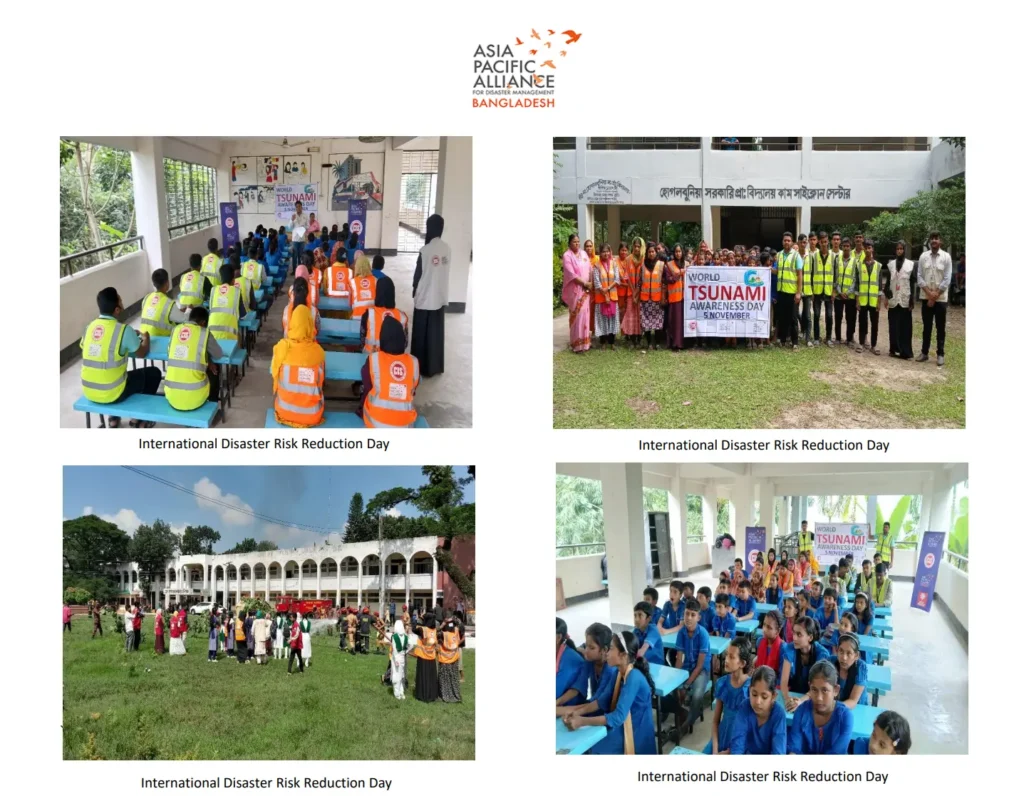
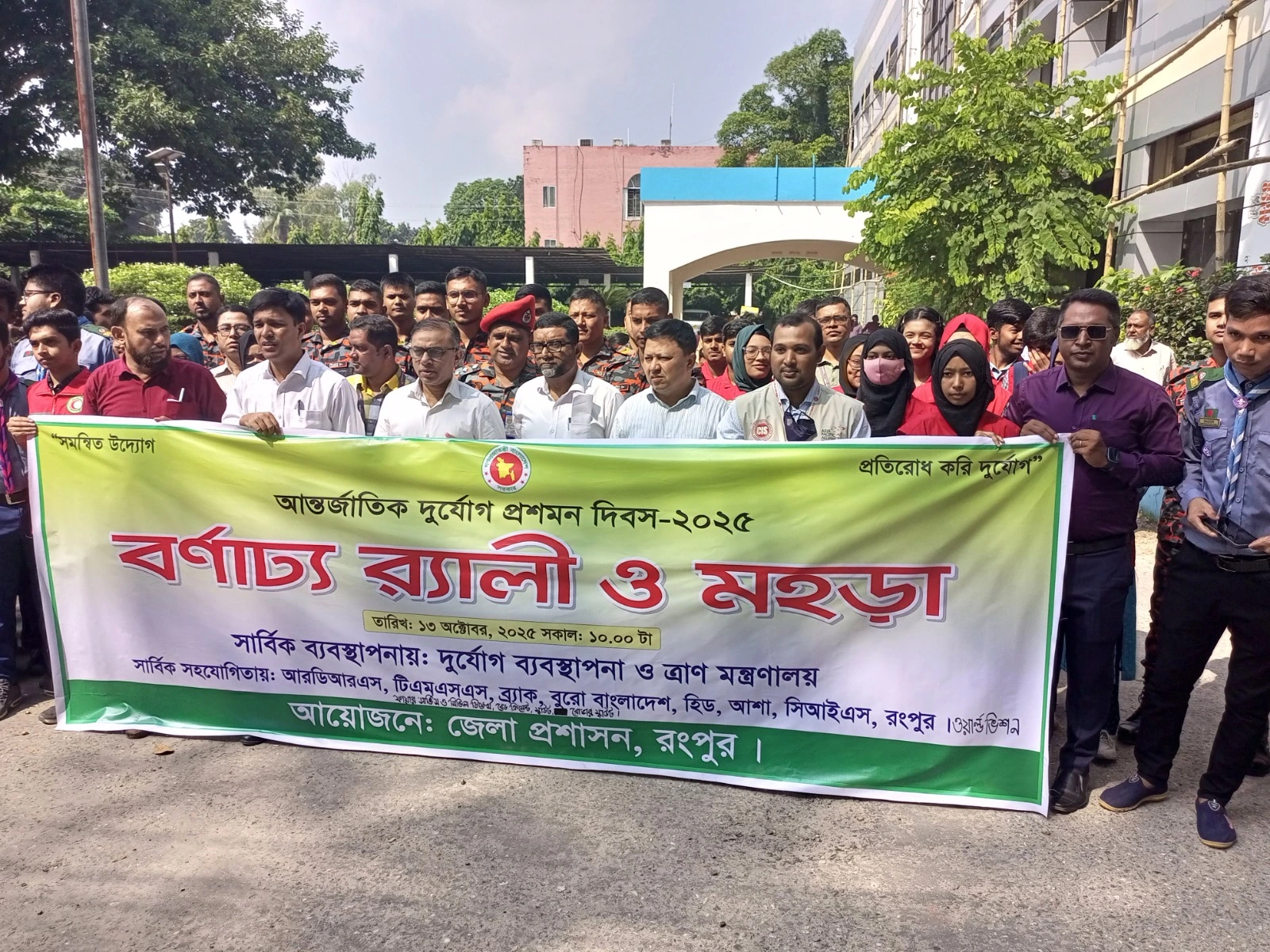
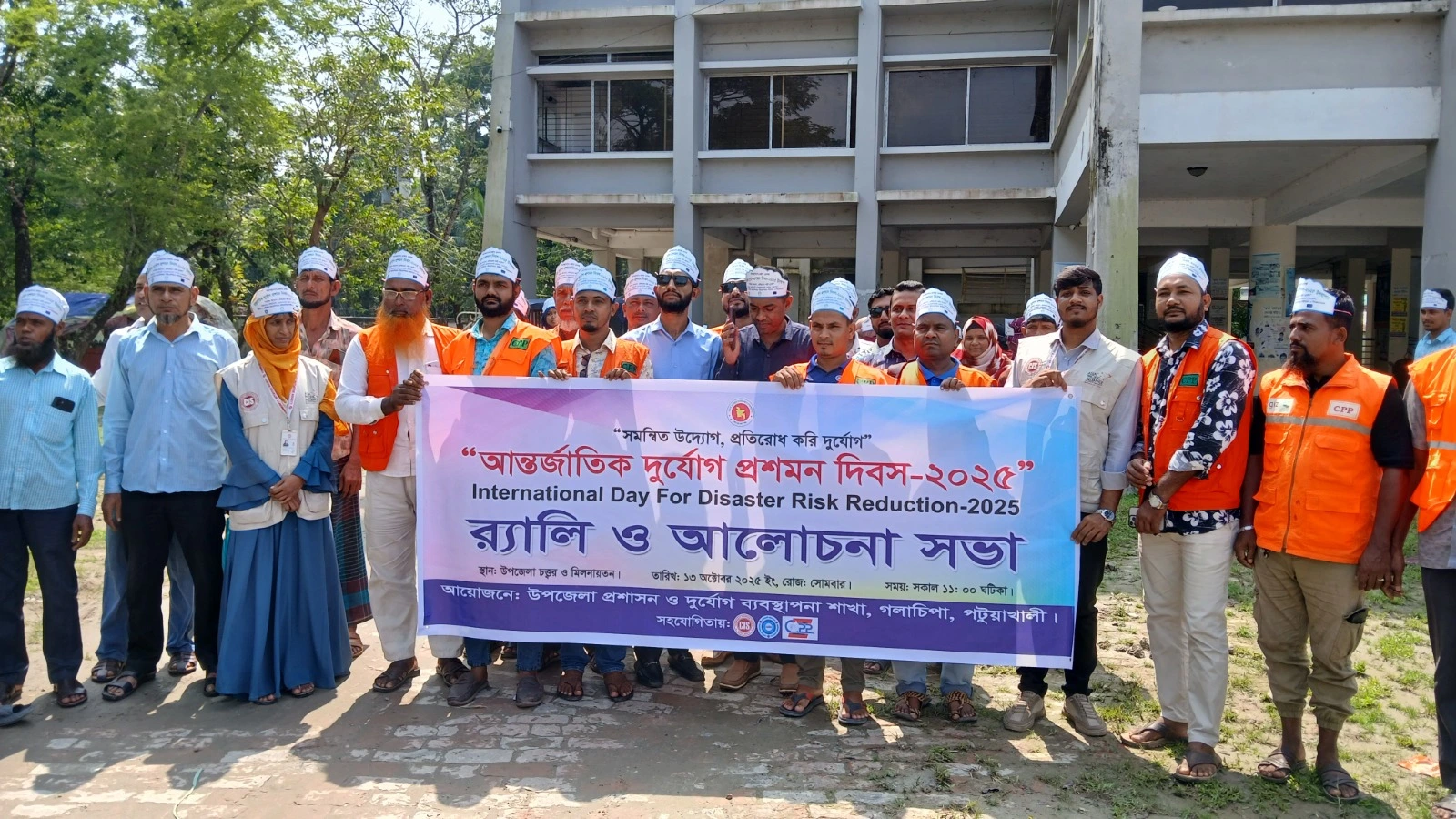
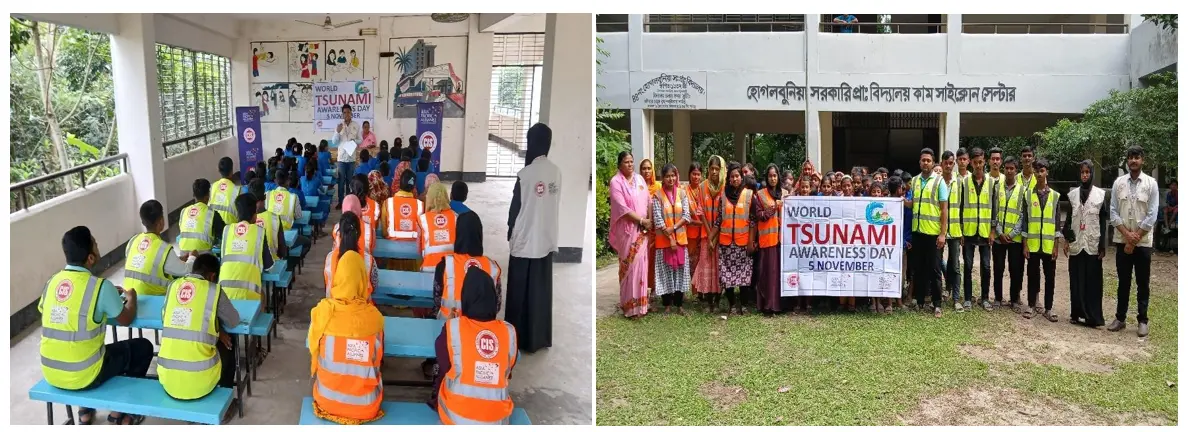
2-2 Disaster Preparedness Campaigns Target:Partner organizations and local communities 50 people × 2 times × 8 divisions = 800 people | A-PAD Bangladesh organized World Tsunami Awareness Day on 05 November 2025. 05 November 2025, Dhaka, Total Participants 50 05 November 2025, Cox’s Bazar, Total Participants 50 05 November 2025, Pabna, Total Participants 50 05 November 2025, Bagerhat, Total Participants 50 05 November 2025, Patuakhali, Total Participants 50 05 November 2025, Habiganj, Total Participants 50 05 November 2025, Rangpur, Total Participants 50 05 November 2025, Netrokona, Total Participants 50 A-PAD Bangladesh organized campaign in each areas targeting the build awareness, strong networking and build | |
|
| communication. The campaign highlights the devastating impacts of tsunamis and encourages governments, organizations, schools, and communities to take proactive measures to reduce loss of life and property. Key focus areas include public education, evacuation planning, infrastructure resilience, and the integration of traditional knowledge with modern science.
o Increase public understanding of tsunami hazards and risks o Promote early warning systems and timely evacuation o Encourage disaster risk reduction strategies at community and national levels o Support the implementation of the Sendai Framework for Disaster Risk Reduction (2015–2030) o Build resilient coastal communities, especially in high-risk regions |
2-3 Network Partners Capacity Strengthening (DRR) Target : Partner organizations 20 people × 2 organizations × 2 times × 8 divisions = 640 |
|
people |
|
|
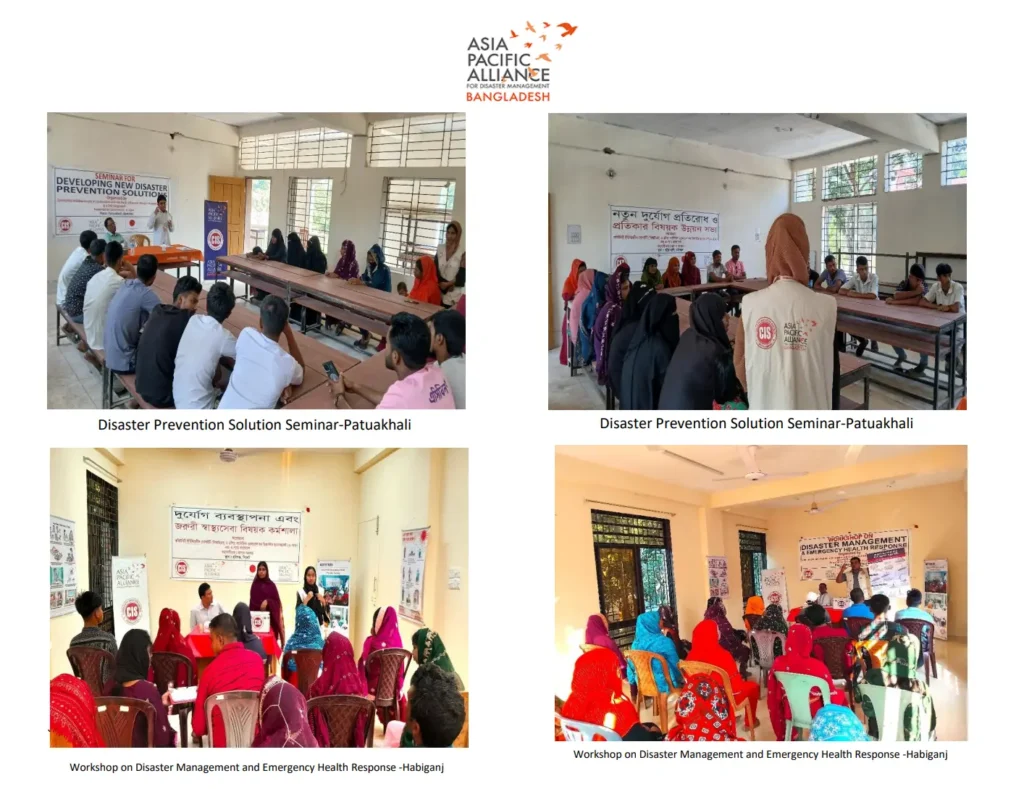
2-4 Seminar for Developing New Disaster Prevention Solutions Target : NGO, Disaster prevention related government organizations, Private sector personnels 30 people ( 2days ) × 8 divisions × 2 times = 480 people | 2 days seminar organized in Patuakhali where 30 persons joined from the NGO, Public and private sectors. 09-10 November 2025, Patuakhali, Total Participants 30
2 days seminar on Developing New Disaster Prevention Solutions was conducted with the aim of promoting innovative approaches to disaster risk reduction and strengthening preparedness strategies. The seminar brought together experts, policymakers, researchers, practitioners, and students to discuss emerging challenges and explore sustainable solutions for preventing and mitigating the impacts of natural and man-made disasters.
The key objectives of the seminar were to:
· Promote innovative and sustainable disaster prevention strategies · Encourage the use of modern technology and research in disaster risk reduction · Strengthen collaboration among government, academia, and civil society · Address disaster risks intensified by climate change and urbanization · Support policy development and community resilience |
2-5 International Symposium on DRR
Target : Government, Local government, private company, NOG, partner organization, representative of A-PAD member countries, etc. 200 people |
|
|
4. Practical training to improve resilience of local communities | ||
| ( Outcome 3 ) Contribute to improving the disaster resilience of local communities through practical training. |
|
3-1 Disaster response capacity building of local community level in Health and hygiene field | 【Indicator of Outcome】 3-1 a) Establish networks of community leaders who can lead disaster response and emergency health response in all districts of Bangladesh. (Indicator:Number and the List of community leaders for disaster response/emergency health in each 8 districts)
b) Networks of human resources with the skills and know-how to respond to health emergencies will be established in all districts of Bangladesh to provide |
|
3-1 a) Workshop on Disaster Management and Emergency Health Response
Target : Local residents, Community leaders, Local NGO workers 25 people ( 2 days ) × 8 | A-PAD Bangladesh conducted Workshop on Disaster Management and Emergency Health Response at Habiganj where 27 persons have participated.
19-20 November 2025, Habiganj, Total Participants 25+2=27 Participants | |
divisions × 2 times = 400 people | health services to the local residents in times of emergency. (Indicator:Data of NGO health personals who can respond in emergency. Number of residents who received the services in the cases of activities during emergency disaster in each 8 districts.)
3-2 a) Disaster preparedness training and drills will be documented in a manual, and women, youth groups, and local stakeholders who participate in the drills will be granted certificates of completion and work as disaster volunteer teams during actual disasters. (Indicator:Drilling Manual, Cases of activities in emergency disaster response) b) Disaster drills at junior high schools will be documented in a manual so that students who participate in the drills will have the skills to take appropriate action in the event of a disaster. (Indicator:Drilling Manual, Report of emergency disaster response) |
2 days workshop on Disaster Management and Emergency Health Response was successfully conducted in Habiganj with the objective of strengthening participants’ knowledge and practical skills in disaster preparedness, response, and emergency healthcare services. The training targeted health professionals, emergency responders, local government representatives, and community volunteers from disaster- prone areas so that during the disaster all the partners can response collaboratively.
The workshop covered key topics including disaster risk reduction, emergency preparedness planning, early warning systems, first aid and trauma care, mass casualty management, disease outbreak prevention during emergencies, and coordination among response agencies. Emphasis was placed on practical learning through case studies, group discussions, and simulation exercises relevant to local disaster scenarios such as floods and cyclones. |
3-1 b) Training of Local Health Workers on Disaster Health Activities
Target : Health workers who belong to local NGOs or civil organizations 20 people ( 3 days ) × 8 divisions = 160 people |
|
3-2 Strengthening disaster response capacities of local communities through disaster drilling training |
|
|
3-2 a) Women Empowerment and Capacity Building
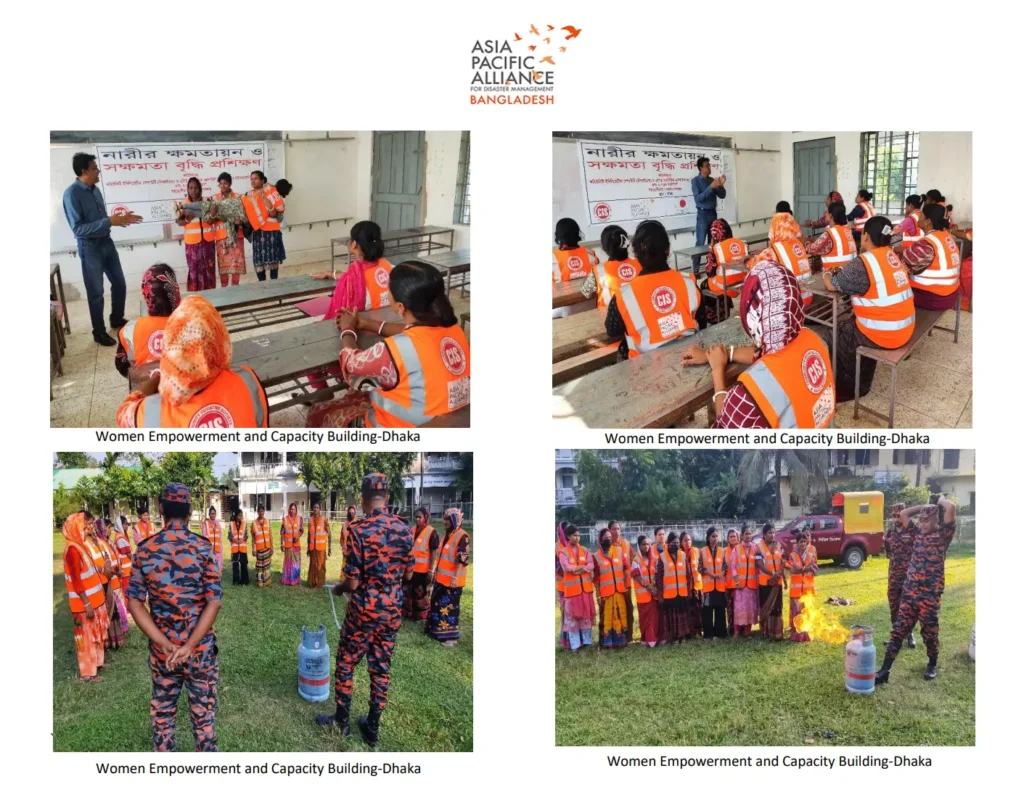
Target : Women’s groups in target villages 20 people ( 2 days ) × 8 divisions × 2 times = 320 people | A-PAD Bangladesh conducted Women Empowerment and Capacity Building at Dhaka where 25 persons have participated. 09-10 November 2025, Dhaka, Total Participants 20+5=25 Participants
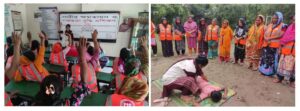
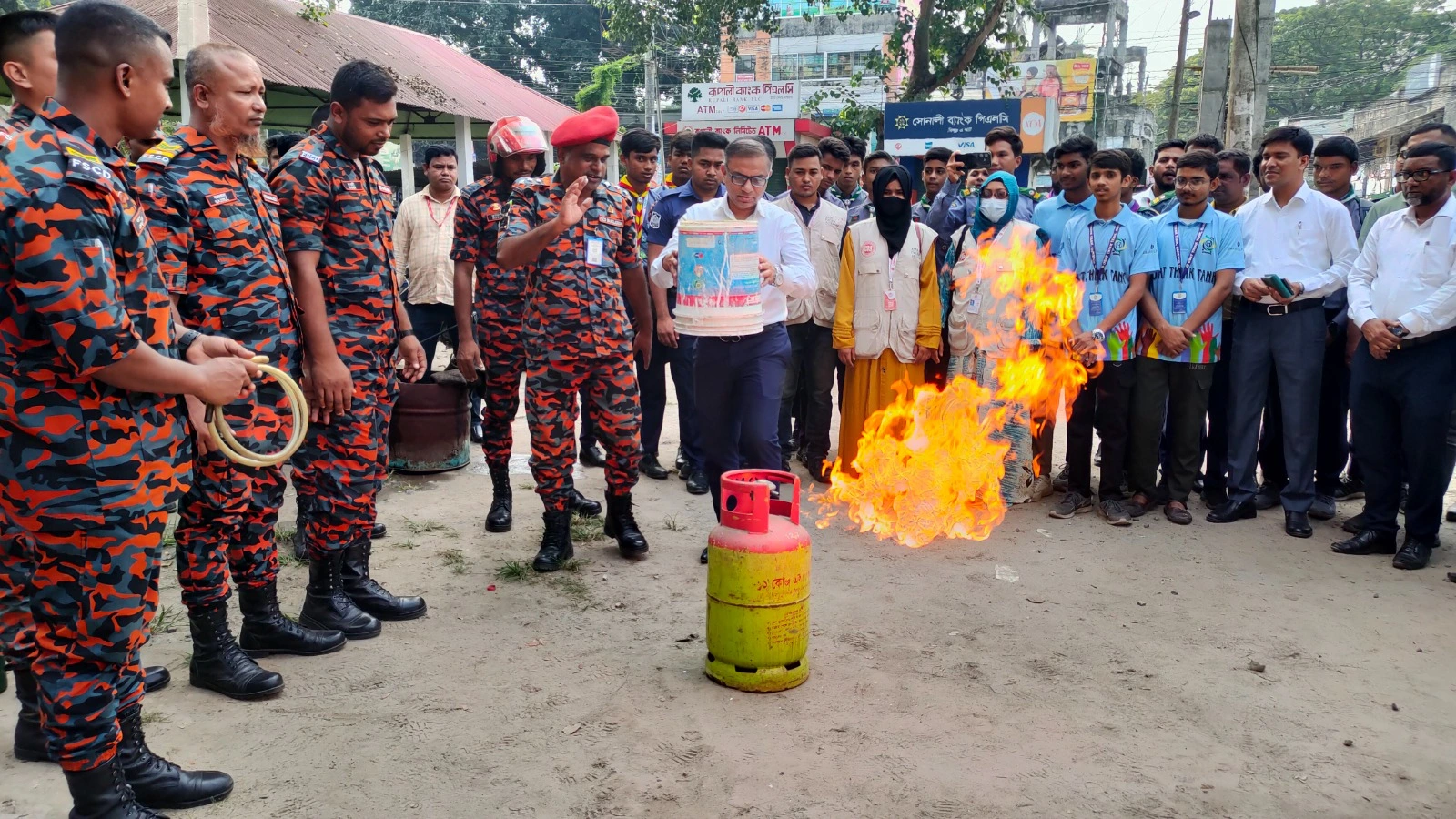
Two days drilling program for women in Dhaka focuses on improving preparedness, safety, and resilience by addressing gender-specific risks and needs during emergencies such as earthquakes, floods, fires, and conflicts. These drills aim to ensure that women are not only protected but also empowered as active responders within their families and communities.
Women often face unique challenges during disasters, including caregiving responsibilities, limited access to information, mobility constraints, increased risk of gender- based violence, and health needs related to pregnancy, menstruation, and childcare. Disaster drills tailored for women help bridge these gaps by providing practical training, awareness, and confidence to respond effectively in crisis situations. |
|
| o Evacuation procedures, first aid, search and rescue basics, and fire safety. o Managing reproductive health, sanitation, and nutrition during emergencies. o Strategies to reduce exposure to violence, harassment, and exploitation in shelters or during displacement. o Enabling women to take decision-making roles and disseminate information within communities. |
3-2 b) Disaster Drilling for the Youth and Local Stakeholders Target:Youth in the local private and civic sector 45 people ( 2 days ) × 8 divisions × 2 times = 720 people |
| |
3-2 c) Disaster Drilling for Junior High Schools Target:School Children 40 people ( 2 days ) × 8 divisions × 2 times = 640 people |
|
- Challenges
Practice in collaboration with A-PAD Bangladesh Network Partners Please write good practice in collaboration with partner organizations
- Any contribution Funds Received and Grants Applied / Planned and Implemented Projects by CIS including Emergency Response
Please write Projects name and its fund resources
- Relationship with Bangladesh Government and Japanese Embassy Please write about Meeting with Government office